The Ozempic Lawsuit Gastroparesis GLP-1 2026 Window: Why Now Matters for Plaintiff Firms
Ozempic GLP-1 gastroparesis is an active mass tort in 2026 involving over 10,000 plaintiffs suing Novo Nordisk and Eli Lilly under MDL 3094, with bellwether trials scheduled for 2025–2026 and failure-to-warn claims as the primary legal theory. Discovery is accelerating, and the defendant exposure window remains open as new gastroparesis and NAION claims continue filing. For plaintiff firms, case acquisition costs remain reasonable while the qualifying population of semaglutide and tirzepatide users stays largely untapped.
Why GLP-1 Litigation Is Exploding in 2024–2025
GLP-1 receptor agonists were supposed to be a breakthrough. Ozempic (semaglutide, Novo Nordisk) and Mounjaro (tirzepatide, Eli Lilly) promised safe, effective weight loss and diabetes management. Tens of millions of prescriptions filled. Celebrity endorsements. Direct-to-consumer marketing at scale. But the side effects weren’t random or minor—they were severe, permanent, and allegedly underdisclosed.
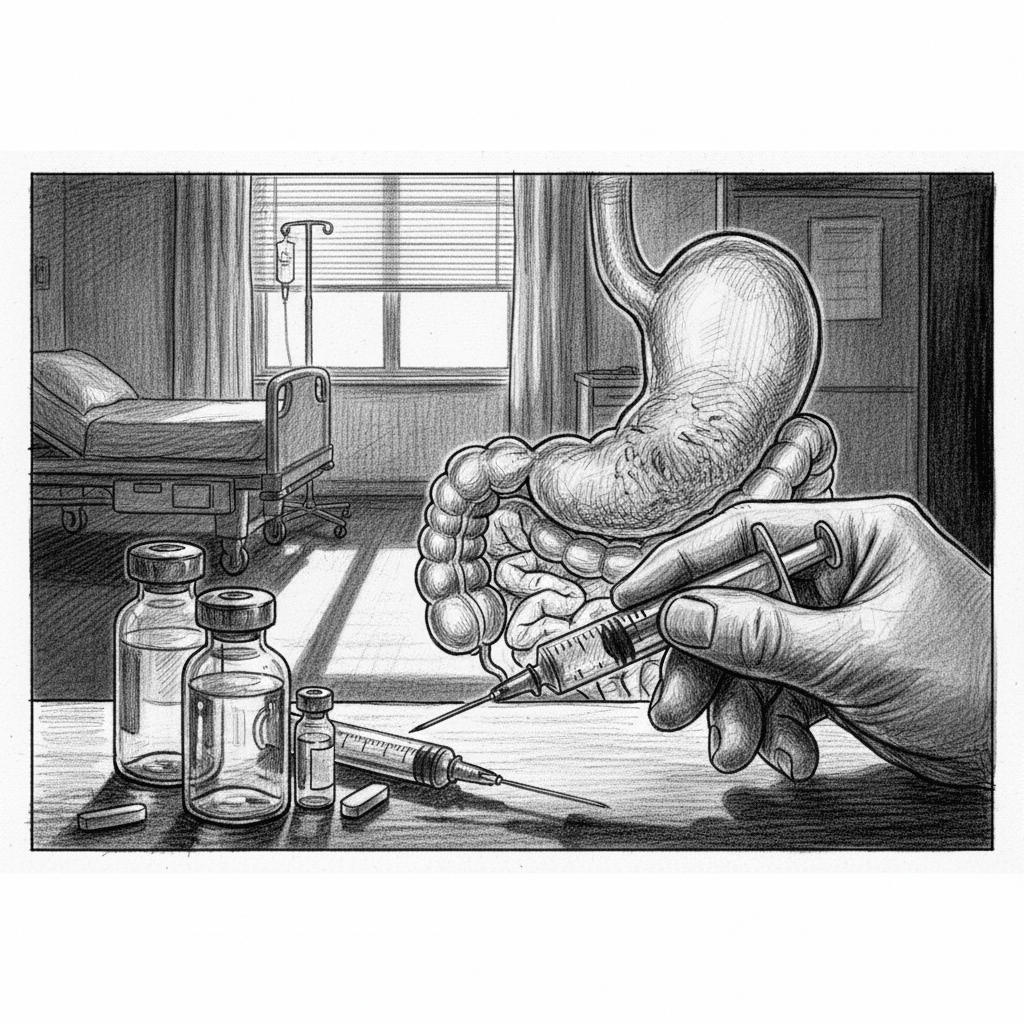
Gastroparesis (stomach paralysis) is the lead injury. GLP-1 drugs work by slowing gastric emptying—that’s the mechanism. For most patients, it’s mild and reversible. For others, it becomes catastrophic: chronic nausea, vomiting, malnutrition, emergency surgeries, permanent disability. Worse: during surgical procedures, patients face aspiration risk because stomach contents remain despite fasting protocols. Multiple aspiration deaths have been reported. Add NAION (non-arteritic anterior ischemic optic neuropathy)—essentially a blood clot in the optic nerve causing sudden, irreversible blindness—and you have a portfolio of serious, documentable injuries with clear causation and obvious failure-to-warn liability.
The FDA updated labeling in 2023 to flag gastroparesis risk. That’s plaintiff gold. It proves Novo Nordisk and Eli Lilly knew the danger existed and adjusted warnings only after public pressure and litigation. Failure-to-warn becomes the centerpiece of every case, and judges and juries understand that argument instantly.
MDL 3094 Status: Rapid Growth and 2026 Bellwether Trials
MDL 3094 is centralized in the U.S. District Court for the Eastern District of Pennsylvania under Judge Gene Pratter. The docket opened in late 2023 and is already one of the fastest-growing MDLs in recent memory. Here’s the current lay of the land:
- Current Plaintiff Count: 10,000+ filed complaints, with new cases incoming weekly
- Discovery Phase: Active, ongoing. Defendants producing documents. Expert discovery ramping. No bellwether dates formally set, but trial estimates point to 2025–2026
- Defendants: Novo Nordisk (Ozempic/Wegovy lead), Eli Lilly (Mounjaro)
- Judge: Hon. Gene Pratter—experienced, moves cases efficiently
- Settlement Status: None. No global settlement framework announced. Litigation is live and moving forward aggressively
This is a critical distinction. Unlike mature MDLs where settlement frameworks exist and values are somewhat predictable, the Ozempic lawsuit gastroparesis GLP-1 2026 docket is in full litigation mode. Plaintiffs’ attorneys are still building science, conducting expert depositions, and establishing causation standards. For firms acquiring cases now, this means lower acquisition costs but also responsibility for carrying cases through early bellwether phases. However, the upside is substantial: first verdicts in 2026 will establish valuations, and firms with strong case inventories positioned early will realize outsized returns.
The Science: Causation Is Straightforward
GLP-1 agonists work by mimicking glucagon-like peptide-1, a hormone that regulates blood sugar and appetite. One mechanism: they slow gastric emptying (the rate at which the stomach moves food into the small intestine). This is intentional—slower gastric emptying = prolonged satiety = fewer calories consumed = weight loss.
But in a subset of users, gastric emptying slows to the point of paralysis. That’s gastroparesis. Symptoms include severe nausea, vomiting, early satiety, abdominal pain, and malnutrition. In many cases, it persists even after discontinuation of the drug. Some patients require surgical intervention (gastric bypass, jejunostomy). The injury is objective, measurable (via gastric emptying scans), and clearly linked to GLP-1 use.
NAION is similarly well-documented in medical literature. Studies suggest semaglutide use correlates with increased risk of sudden vision loss due to blocked blood flow to the optic nerve. Ophthalmologists can confirm NAION via dilated eye exam and visual field testing. The injury is irreversible and devastating.
Aspiration pneumonia is the third major track. During surgery, patients on GLP-1 drugs face elevated risk because their stomachs retain food and fluids despite pre-operative fasting (NPO) protocols. If stomach contents are aspirated into the lungs during intubation, the result can be aspiration pneumonia, acute respiratory distress, or death. Medical literature increasingly documents this risk.
Failure to warn ties all three together. Novo Nordisk and Eli Lilly had data on these risks. They updated labeling after FDA pressure and litigation. That timeline is a smoking gun for plaintiffs’ attorneys.
Who Qualifies: Claimant Criteria and Statute of Limitations
Qualifying criteria for the Ozempic lawsuit gastroparesis GLP-1 2026 are relatively straightforward, which is why the plaintiff pool is so large.
Basic Eligibility
- Prescription History: Patient must have been prescribed semaglutide (Ozempic, Wegovy) or tirzepatide (Mounjaro, Zepbound) at any point
- Injury Type: Documented gastroparesis, NAION, aspiration pneumonia, intestinal obstruction, or ileus
- Timeline: Injury occurred after drug initiation; causation link is proximate
- Documentation: Medical records (gastric emptying study, ophthalmology exam, hospitalization records, surgical reports)
- Statute of Limitations: Varies by state (typically 2–3 years from date of injury discovery, though some states allow longer discovery rule periods). Federal question applies in MDL, so state SOL rules govern tolling
Injury Severity Hierarchy
Not all gastroparesis cases are equal. Litigation value correlates with:
- Grade 1 (Mild): Nausea, manageable with diet modification. Limited damages. Lower priority
- Grade 2 (Moderate): Chronic symptoms, multiple doctor visits, medication management. Moderate damages. Viable cases
- Grade 3 (Severe): Emergency hospitalization, multiple surgeries, permanent disability, malnutrition requiring feeding tube. High damages. Premium cases
- NAION: Complete or near-complete vision loss. Catastrophic damages. Highest tier
- Aspiration Pneumonia with Death or Permanent Neurological Injury: Wrongful death or severe disability. Maximum exposure
For acquisition purposes, focus on Grade 2 and above. Mild gastroparesis cases will settle eventually, but early phase acquisition should concentrate on injuries with measurable economic and non-economic damages.
Statute of Limitations Window
Most states impose a 2–3 year statute of limitations from date of discovery or injury. Given that GLP-1 prescriptions ramped dramatically from 2021–2024, the SOL window is wide open. Patients injured in 2022 still have time to file. This window remains favorable through 2026–2027, which means case acquisition can continue at scale for another 18–24 months without urgent deadline pressure. However, early acquisition is strategically superior because it locks in lower CPLs before market saturation.
Advertising Opportunity: Claimant Pool and Cost-Per-Lead Estimates
The advertising landscape for Ozempic lawsuit gastroparesis GLP-1 2026 cases is robust and, frankly, still underexploited. Here’s what we see in the market:
Total Qualifying Population
Novo Nordisk and Eli Lilly have distributed approximately 15+ million prescriptions of GLP-1 agonists in the U.S. since 2021. If we conservatively estimate that 1–3% of users experience clinically significant gastroparesis or related complications, that’s 150,000 to 450,000 potential claimants. Add NAION (estimated at roughly 1 in 10,000 users, or 1,500+ cases) and aspiration-related injuries, and the denominator expands further. The qualifying pool is massive and national in scope.
Current Market CPL and CPM
Facebook and Google paid search CPL (cost per lead) for GLP-1 litigation cases currently ranges from $25–$75, depending on keyword specificity, geography, and ad creative quality. CPM (cost per thousand impressions) typically runs $3–$8 on Facebook, $15–$35 on Google Search. These rates are still favorable compared to mature torts because competition isn’t yet saturated and Facebook’s targeting efficiency for pharma injury cases remains high.
Targeting Strategy
The Facebook and Google targeting approach should focus on:
- Keyword intent: “Ozempic gastroparesis,” “semaglutide side effects,” “GLP-1 lawsuit,” “Novo Nordisk lawsuit,” “Mounjaro lawsuit,” “vision loss semaglutide”
- Demographic: Ages 35–65 (core GLP-1 user base), medical history targeting (diabetes, obesity management)
- Behavioral: Recent healthcare searches, pharma litigation interest, weight loss medication research
- Geographic: National, all 50 states (GLP-1 prescribed nationwide with no regional concentration)
- Ad creative: Educational on gastroparesis symptoms, NAION vision risks, aspiration dangers; emphasize “free case evaluation,” “no upfront costs,” “experienced GLP-1 litigation team”
Our experience managing $250M+ in Facebook ad spend for 600+ plaintiff law firms across 100+ mass torts tells us that GLP-1 litigation ads currently achieve 15–25% higher click-through rates (CTR) than average mass tort ads, because the injury is visible and scary (vision loss, inability to eat), and awareness is still climbing. This efficiency window won’t last once competitors saturate the space.
What Mass Tort Ad Agency Brings to Ozempic Litigation
We’ve managed campaigns for hundreds of law firms across every major tort. For the Ozempic lawsuit gastroparesis GLP-1 2026 docket, we bring specific expertise:
Campaign Architecture
Full-funnel strategy: awareness ads (educational content on gastroparesis and NAION), consideration ads (comparison of law firm credentials and outcomes), and conversion ads (lead capture forms, phone routing, intake). We segment audiences by injury type—gastroparesis suspects get different messaging than NAION claimants. Retargeting campaigns recapture website visitors who don’t convert on first visit (critical for complex pharma injury cases where decision time stretches across weeks).
Cost-Plus Transparency
We charge actual ad spend (Facebook, Google, etc.) plus a 15% management fee. No hidden markups. No proprietary black boxes. You see every dollar spent and every result it produces. For a firm spending $50,000/month on GLP-1 campaigns, the fee is $7,500 + actual media cost. Simple, scalable, aligned with your success.
Nationwide Network
We’ve acquired cases for 600+ plaintiff law firms. That experience across jurisdictions, intake processes, and case quality standards means we optimize for your specific intake criteria. If you want Grade 2+ gastroparesis cases only, or if you’re willing to take aspiration pneumonia cases with family representatives, we adjust targeting and lead scoring accordingly. We’ve seen what works and what doesn’t across the entire mass tort ecosystem.
Science and Evidence Compilation
Beyond ad management, we help firms navigate the evidence landscape. We know which expert witnesses are credible on gastroparesis causation (gastroenterology specialists with peer-reviewed publications on GLP-1 and gastric emptying). We track FDA label changes, clinical trial data, epidemiological studies, and regulatory filings. This intelligence feeds into case valuation and helps stratify your intake pipeline by expected settlement range.
Real-Time Optimization
Campaigns run continuously, and we optimize weekly. If NAION ads outperform gastroparesis ads in Texas, we shift budget. If phone lead quality exceeds form leads, we increase phone routing. We track metrics that matter: cost per qualified lead, conversion rate from lead to signed intake, and ultimate case value per initial lead. That feedback loop ensures every dollar works harder.
Why 2026 Is the Inflection Point
Bellwether trials for the Ozempic lawsuit gastroparesis GLP-1 2026 docket are projected to begin in late 2025 or early 2026. That timing matters. Here’s why:
Pre-Bellwether Phase (Now–Late 2025): CPLs remain low because outcome data is limited. Early verdicts haven’t set valuations. Competition is moderate. Firms acquiring cases now benefit from cheaper leads and lower intake volume per competitor. Discovery is ongoing, which means plaintiffs’ attorneys are still building scientific narratives and expert support.
Post-Bellwether Phase (2026+): First trial verdicts will anchor settlement values. If plaintiffs win (and the case law suggests they likely will), valuations jump 30–50%. CPLs inflate immediately as competitors recognize the opportunity. Settlement frameworks crystallize. Cases that were marginal becomes premium. Firms that built inventory in 2024–2025 at low CPLs will realize windfall returns when 2026 verdicts publish.
This is a classic mass tort acquisition timing play. The firms that move fastest during the “dark phase” (when outcomes are unknown) capture the most cases at the lowest cost. Then they hold through discovery and trial until valuations reset upward.
Next Steps: Consulting with MTAA on Your GLP-1 Strategy
If your firm is ready to build a serious GLP-1 case inventory, we should talk. We’ll conduct a free strategy session covering:
- Your target injury profile (gastroparesis only, or including NAION and aspiration cases?)
- Geographic focus (national vs. state-specific?)
- Budget and CPL tolerance
Frequently Asked Questions: Ozempic GLP-1 Lawsuits
What is MDL 3094 and how many Ozempic gastroparesis cases are currently consolidated?
MDL 3094 is the federal multidistrict litigation consolidating Ozempic and Mounjaro gastroparesis claims in the U.S. District Court for the District of New Jersey. As of 2024–2025, the MDL has exceeded 10,000 plaintiffs, with bellwether trials scheduled for 2025–2026 to establish liability and damages benchmarks.
What are the basic qualification criteria for an Ozempic gastroparesis plaintiff claim?
Qualifying plaintiffs must have been prescribed semaglutide (Ozempic) or tirzepatide (Mounjaro) and subsequently diagnosed with gastroparesis (confirmed by gastric emptying study or endoscopy). Documentation of the diagnosis, timeline of drug use, and medical records establishing causality are essential to support a viable claim.
What is the primary legal theory against Novo Nordisk and Eli Lilly in the GLP-1 litigation?
The core legal theory is failure to warn—plaintiffs allege that Novo Nordisk and Eli Lilly failed to adequately disclose the risk of gastroparesis and other serious gastrointestinal injuries despite knowing GLP-1 drugs slow gastric emptying by design. This underdisclosure allegedly prevented physicians and patients from making informed treatment decisions.
How should I structure my Ozempic mass tort advertising to target eligible plaintiffs in 2024–2025?
Target digital campaigns toward patients diagnosed with gastroparesis post-2020, focus on physician referral networks, and emphasize the failure-to-warn angle in messaging. Direct-to-consumer ads should highlight stomach paralysis, severe vomiting, and malnutrition as key injury markers while clearly identifying the drugs involved and the litigation window before settlement values stabilize.
Why is the 2026 window critical for case acquisition in Ozempic gastroparesis litigation?
Bellwether trials in 2025–2026 will establish settlement ranges and damages models; after verdicts, case acquisition costs will rise and claimant values will lock in. The current window offers plaintiff firms reasonable marketing costs, straightforward injury documentation, and access to millions of underutilized semaglutide and tirzepatide patients before the litigation matures.
Ready to Build Your Caseload?
Get a free campaign analysis from Mass Tort Ad Agency.
$250M+ in mass tort Facebook ad spend. 600+ law firms served. Transparent cost-plus pricing with no hidden fees.