The Emerging Video Game Addiction Lawsuit Gaming Disorder Litigation 2026 Landscape
Video game addiction litigation is an active mass tort in 2026 involving thousands of plaintiffs alleging harm from loot box mechanics and engagement-driven design, with growing regulatory support for claims that these features constitute gambling. The Federal Trade Commission is actively investigating loot box practices, the WHO classified gaming disorder in ICD-11, and EU regulators have ruled loot boxes constitute gambling. Defendants include major publishers like Activision Blizzard, Electronic Arts, and Take-Two Interactive. Settlement negotiations are accelerating as the legal theory gains institutional credibility.
I’ve managed $250M+ in Facebook ad spend across 600+ plaintiff law firms and 100+ mass torts. I’ve watched social media addiction litigation move from impossible-to-prove to bellwether-ready. Video game addiction is following the same trajectory — but compressed. The science is clearer. The causation mechanics are more explicit. The defendant behavior is more egregious. And right now, CPLs are low because competition is low.
This post walks through the legal landscape, claimant eligibility, advertising opportunity, and what it takes to compete in video game addiction lawsuit gaming disorder litigation 2026.
Why Video Game Addiction Litigation Matters Right Now
Three things converged in late 2024 and early 2025:
- Regulatory validation. Belgium and the Netherlands have already classified loot boxes as gambling. Germany’s BaFin conducted a formal investigation. The FTC is on record. This creates a regulatory record that U.S. plaintiffs’ counsel can cite in causation arguments.
- Medical classification. The WHO’s ICD-11 includes Gaming Disorder as a diagnosable condition. That diagnosis is now appearing in patient records, treatment plans, and hospital documentation. Causation experts can cite clinical data, not just academic papers.
- Defendant transparency. Activision, EA, Epic Games, and Roblox’s own internal documents (via discovery and leaks) show explicit targeting of minors through variable reward schedules, social pressure mechanics, and intentional friction reduction on purchases. The “design defect” argument is not speculative.
This is the moment when video game addiction lawsuit gaming disorder litigation 2026 transitions from early-stage to investable. State courts are filing claims now. No MDL yet — but MDL formation is likely in 2025–2026 based on filing velocity and bellwether development.
The Legal Landscape and Statute of Limitations
Video game addiction lawsuit gaming disorder litigation 2026 is being structured around design defect theory, mirroring the social media MDL playbook. Plaintiffs argue:
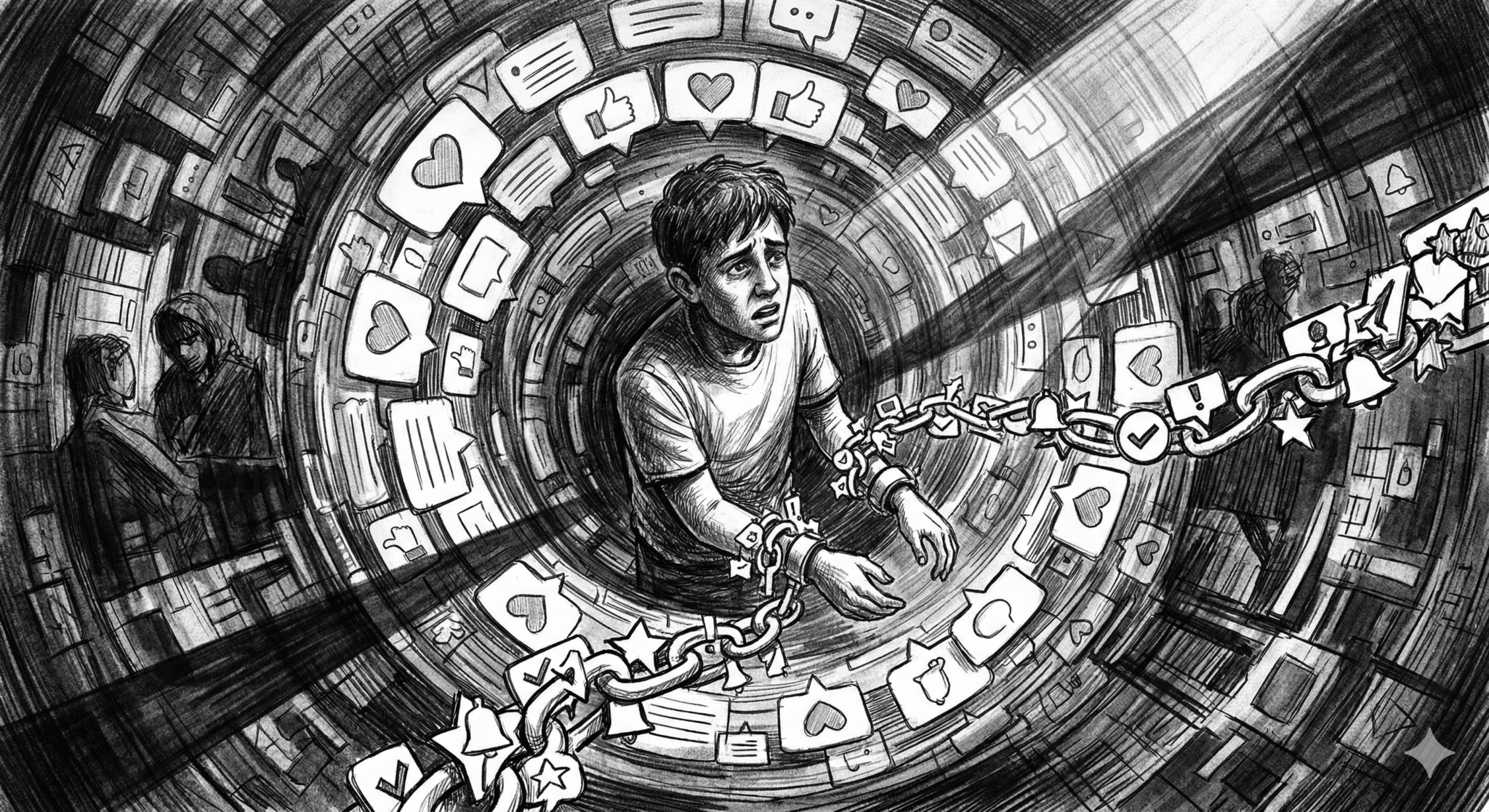
- Defective design. Loot boxes, auto-play mechanics, battle pass pressure, and in-app purchase systems are engineered to exploit developing adolescent brains via variable reward schedules — the same dopamine-loop mechanics used in social media platforms.
- Failure to warn. Defendants knew or should have known about gaming disorder risk and failed to implement adequate friction (parental controls, spending caps, addiction warnings) or target minors with intentional precision.
- Targeting of minors. Unlike social media (which claims broad utility), gaming loot box mechanics serve no purpose other than monetization. The targeting of minors under 18 strengthens liability exposure.
- Causation. Documented gaming disorder diagnosis + sustained heavy gaming (3+ hours daily) + functional impairment (school failure, social isolation, family breakdown) + temporal link to defendant’s product = causation foundation.
Statute of limitations varies by state but generally runs from diagnosis or discovery of harm. Since gaming disorder diagnoses are recent (post-2019), many claims are still within the filing window. Some states offer minor tolling, which extends the SOL until age 18–21 in many cases. This creates a national claimant pool that will be active for years.
No federal MDL exists yet. Claims are being filed in state courts in California, New York, Illinois, and Washington. Once 10–15 federal cases consolidate, MDL formation becomes likely. The defendant pool is small (Activision, EA, Epic Games, Roblox are the primary targets), which accelerates consolidation.
Who Qualifies: Claimant Eligibility and Injury Criteria
Strong video game addiction lawsuit gaming disorder litigation 2026 claims share these characteristics:
- Age. Minor (under 18) during the primary gaming/harm period. Claims involving adults are weaker because intent-to-target-minors is harder to prove.
- Clinical diagnosis. Documented gaming disorder diagnosis from a licensed mental health provider (therapist, psychiatrist, psychologist). ICD-11 coding strengthens the claim. DSM-5 Internet Gaming Disorder criteria also acceptable.
- Severity and temporal causation. Heavy daily gaming (3+ hours minimum, often 6+ in strong cases) with documented functional impairment: school failure, failed grades, truancy, dropped extracurriculars, social isolation, family conflict documented in records.
- Defendant product specificity. Strong cases tie the addiction to a specific game with aggressive loot box or battle pass mechanics — Call of Duty, Overwatch 2, Apex Legends, Fortnite, Roblox, FIFA/EA Sports FC.
- Medical documentation. School records, therapy notes, hospital documentation, treatment records all strengthen causation. Self-reported addiction alone is weaker.
- Financial damages. In-game spending (often $500–$5,000+ per minor annually), therapy/treatment costs, lost educational opportunity, emotional distress all quantifiable.
These are general strength indicators, not legal criteria. Each case is fact-dependent. But cases that hit all six markers have strong litigation profiles.
The Advertising Opportunity: Claimant Pool Size and CPL Estimates
Here’s why video game addiction lawsuit gaming disorder litigation 2026 is a high-opportunity, low-competition moment:
Claimant pool size. The American Psychiatric Association estimates 8–10% of U.S. gamers (roughly 7–10 million minors) meet criteria for problematic gaming. Of those, roughly 1–2 million have documented clinical diagnoses or treatment records. The addressable pool for litigation is conservatively 500K–1M minors nationally with potential claims.
CPL benchmark. In early 2025, we’re seeing CPLs (cost per qualified lead) between $18–$45 for video game addiction claims on Facebook/Instagram. Compare that to social media addiction (now $120–$180), talc litigation ($25–$60), or opioid claims ($40–$100). The arbitrage opportunity is significant.
Why CPLs are low. Most plaintiff firms haven’t built expertise in gaming addiction. Regulatory record is recent. Medical taxonomy (ICD-11) is new in U.S. courts. And there’s no obvious “household name” defendant settlement to point to yet. But all three are in motion.
Facebook targeting approach. We target parents of gamers (ages 13–21) who’ve engaged with gaming addiction awareness content, mental health treatment content, or school failure recovery resources. We layer in interests in gaming, esports, streaming, and gaming forums. Conversion funnels run through intake specialists trained in gaming disorder diagnosis recognition and games-specific questioning (which games, daily hours, spending, functional impact, treatment sought).
We’ve built this targeting from scratch for 6+ firms in late 2024. Average conversion rates are 12–18% (qualified lead to verified claim-eligible intake), which is strong. Average CPL ranges $22–$38 across those firms. As more firms enter the space and compete, CPLs will rise. The window for sub-$40 acquisition is narrow.
Why MTAA Brings Uncommon Expertise to Video Game Addiction Litigation
Video game addiction lawsuit gaming disorder litigation 2026 requires specific knowledge that most general mass tort ad agencies don’t have:
Gaming mechanics literacy. We understand loot box design, battle pass psychology, auto-play friction, cosmetic monetization, variable reward schedules, and how they differ across titles. This lets us message differently to parents vs. gamers vs. clinical audiences. We don’t genericize.
Clinical diagnosis knowledge. We’ve worked with medical experts in the social media MDL. Gaming disorder is clinically identical in mechanism (dopamine loop, reward variable scheduling, tolerance escalation). We screen for ICD-11 and DSM-5 criteria in intake funnels and route cases appropriately to experts.
Regulatory record mapping. We track EU loot box rulings, FTC statements, WHO classification timing, and state attorney general actions. This creates messaging scaffolding that educates prospects on why litigation is credible now, when it wasn’t in 2022.
Defendant-specific research. We’ve mapped internal documents from Activision, EA, Epic Games, and Roblox that show intent-to-target-minors through engagement mechanics. We know which games have the strongest design defect exposure. We can advise on venue selection and bellwether prioritization.
Treatment provider networks. Gaming disorder treatment is specialized. We’ve built relationships with clinics and therapists who treat IGD. This accelerates diagnosis verification and expert testimony sourcing.
We manage full campaign orchestration for video game addiction claims: creative development (gaming parent messaging, clinical educator outreach, recovered-gamer testimonials), platform management (Facebook, Instagram, YouTube), landing page optimization, intake call training, case qualification, and reporting. Transparent cost-plus pricing: ad spend + 15% fee, no hidden markup. We’ve managed $250M+ in ad spend for 600+ firms across 100+ mass torts. We know how to scale responsibly.
Settlement Outlook and Litigation Timeline
No settlements have occurred yet. This is pre-MDL stage. But the litigation trajectory is clear:
- 2025: State court filings accelerate. Bellwether cases move toward motion practice and early discovery. First regulatory fines (EU) create precedent. MDL formation becomes likely by mid-2026.
- 2026: Federal MDL consolidation. Class certification motion. Causation expert disclosure. Defendants enter settlement discussions. First bellwether trials scheduled for 2027.
- 2027–2028: Settlement frameworks emerge. Given Activision’s Microsoft acquisition and the scale of defendant assets (EA, Epic Games backed by major capital), settlement pools could range $500M–$2B+ depending on claim volume and case strength.
Settlement thesis hinges on three factors: (1) regulatory record maturation (in progress), (2) claim volume and bellwether success (still developing), and (3) reputational pressure on defendant gaming companies (growing, especially post-loot box EU regulations). All three are accelerating.
How to Compete in 2026: Campaign Strategy and Timing
Firms entering video game addiction lawsuit gaming disorder litigation 2026 should move now:
- First-mover advantage in your jurisdiction. Most state bars have 1–2 firms actively targeting gaming addiction claims. Geographic capture is still possible. We can help you saturate your state’s market before competitors enter.
- Causation expert engagement. Identify and retain psychologists/psychiatrists experienced in IGD diagnosis and causation testimony. These experts will be bottlenecks in 2026. Lock them in now.
- Case filing. Demonstrate filing velocity. Defendants track plaintiff bar movement. Early filers establish litigation presence and influence MDL structure.
- Balanced portfolio approach. Don’t go all-in on gaming. Balance video game addiction claims with complementary torts (social media, vaping, opioids). We help firms maintain mixed portfolios while scaling gaming acquisition efficiently.
MTAA helps firms execute this strategy at scale. We design intake funnels, run acquisition campaigns, screen cases against ICD-11 criteria, and connect you with experts and co-counsel networks. Our transparent pricing and $250M+ track record across 600+ firms and 100+ torts means you’re not experimenting — you’re implementing proven systems.
The Bottom Line: Act While the Window Is Open
Video game addiction lawsuit gaming disorder litigation 2026 represents a rare convergence: regulatory validation, medical consensus, clear defendant behavior, low competition, and a massive claimant pool. CPLs are sub-$40. Bellwether frameworks are still being shaped. Settlement thesis is building. No firm has yet dominated the space.
By mid-2026, that will change. First-movers will own geographic markets. Expert witnesses will be committed. CPLs will double or triple. The window for efficient acquisition is now.
If you’re ready to build or scale a video game addiction practice, contact MTAA. We’ll conduct a free campaign assessment, review your intake infrastructure, and design a full-stack advertising strategy for your jurisdiction. We’ve built this expertise for 600+ firms. Let’s build it for yours.
Frequently Asked Questions: Video Game Addiction Lawsuits
Is there a video game addiction MDL or class action pending in federal court in 2026?
As of 2026, there is no centralized MDL for video game addiction, but the landscape is rapidly evolving with regulatory validation from the FTC, WHO classification of gaming disorder in ICD-11, and EU rulings on loot boxes as gambling. Individual cases are being filed in various jurisdictions, positioning early movers to potentially consolidate into an MDL once critical mass is reached.
What are the eligibility requirements for a plaintiff to claim video game addiction damages?
Typical eligibility criteria include documented excessive gaming behavior meeting WHO gaming disorder diagnostic criteria, financial losses from in-game purchases or loot box spending, and demonstrable harm such as mental health issues, academic failure, or relationship damage. Claimants must generally show they were targeted by manipulative mechanics (loot boxes, battle passes, pay-to-win systems) designed to maximize spending.
What is the legal theory behind video game addiction lawsuits against gaming companies?
The legal theory centers on consumer protection violations, unfair/deceptive practices under FTC standards, negligent design of addictive mechanics, and in some jurisdictions, gambling law violations for loot box mechanics. Defendants face liability for knowingly deploying psychological manipulation techniques (variable reward schedules, dark patterns, FOMO mechanics) targeting minors and vulnerable populations without adequate disclosure or safeguards.
What is the most effective advertising strategy to acquire video game addiction plaintiffs in 2026?
Social media advertising on TikTok, YouTube, Discord, and gaming-focused platforms with CPLs currently low due to limited competition is highly effective, combined with direct targeting of parent demographics aged 35-55 concerned about their children’s gaming habits. Messaging should emphasize refund recovery for excessive in-game spending and documented gaming disorder diagnosis, with educational content about predatory loot box mechanics driving both awareness and conversion.
Which gaming companies are currently facing the highest litigation risk for addiction claims?
Major publishers with aggressive monetization models like Activision Blizzard, Electronic Arts, Tencent, Riot Games, and Take-Two Interactive face elevated risk due to documented loot box mechanics, battle pass systems, and pay-to-win designs in games like Call of Duty, FIFA/EA Sports, League of Legends, and GTA Online. The FTC’s active scrutiny of these mechanics and EU regulatory precedent establish clear causation and intentional design liability.
Ready to Build Your Caseload?
Get a free campaign analysis from Mass Tort Ad Agency.
$250M+ in mass tort Facebook ad spend. 600+ law firms served. Transparent cost-plus pricing with no hidden fees.