Background: The USC Sexual Abuse Scandal
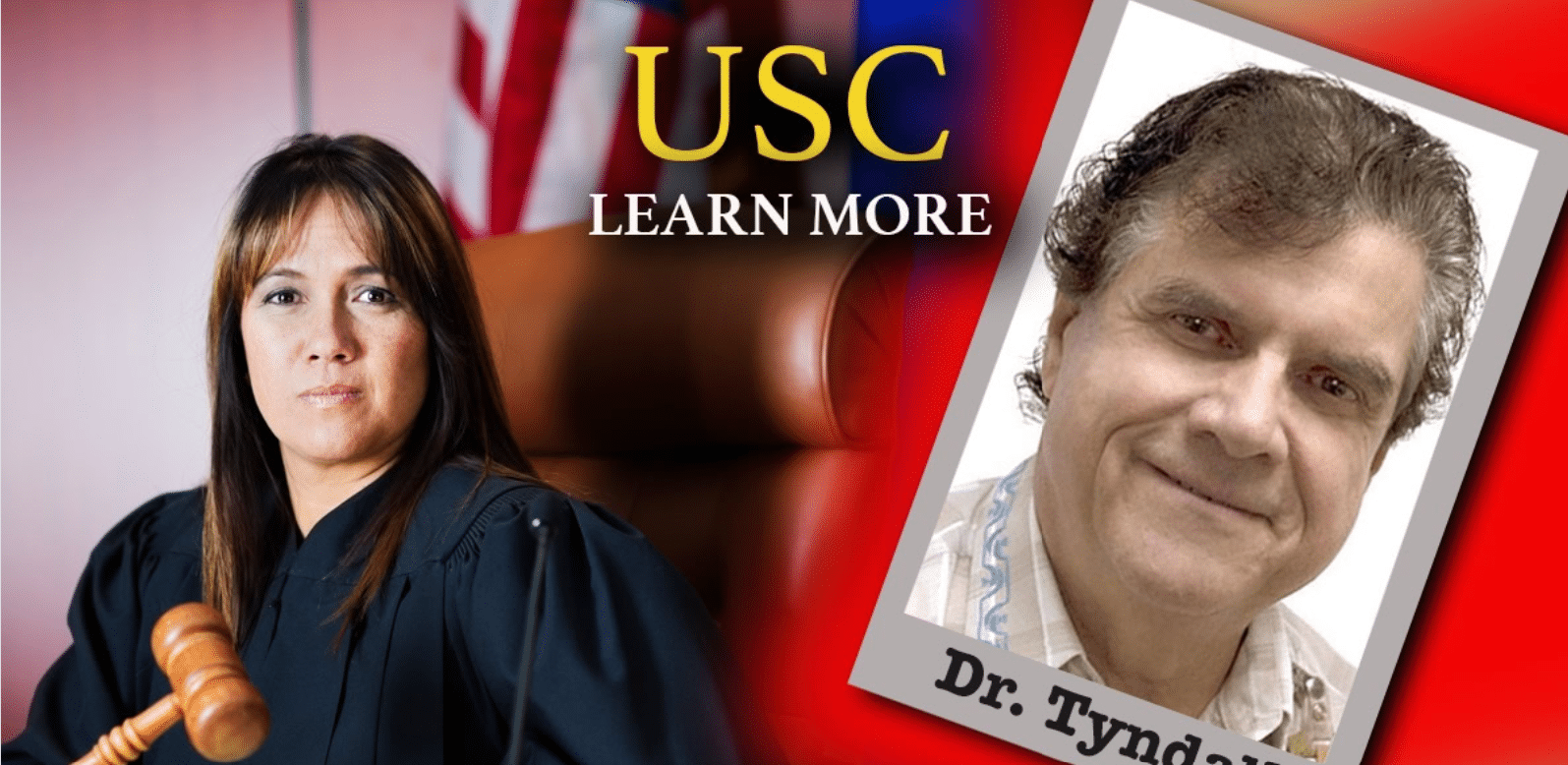
In May 2018, the Los Angeles Times broke a shocking story about USC sexual abuse committed by Dr. George Tyndall, the campus gynecologist at the University of Southern California. For more than 30 years, students and even faculty raised complaints of misconduct. Yet, instead of protecting victims, USC leadership ignored and in some cases actively suppressed these reports.
Despite decades of allegations, Tyndall remained in his position, shielded by those in power. The revelations sparked outrage across the country. But for Jacob Malherbe, the scandal was more than just a headline it was a chance to give survivors a voice and hold the institution accountable.
The Spark: Google Alerts and Legal Marketing Insight
Jacob wasn’t waiting for tips to land on his desk. He actively tracked breaking stories using Google Alerts, a tool he relied on to spot injustice as soon as it reached the public.
“I live by Google Alerts. When that USC story hit the LA Times, I knew what to do instantly.” – Jacob Malherbe
He knew that mass torts often begin with news coverage, and in this space, being first to reach survivors can make all the difference.
Taking Action: Pioneering a USC Sexual Abuse Campaign
At the time, sexual abuse mass torts were relatively untested. Still, Jacob and his partner Darren Miller decided to act.
Jacob made the call:
“Let’s see if women will come forward if we ask.”
They launched a pilot digital ad campaign directed at USC alumni and students:
- With just $37 in ad spend, they signed their first client.
- Encouraged, they scaled the campaign quickly.
- Survivors began coming forward quietly at first, and then in large numbers.
Other attorneys soon followed, but Jacob and Darren had already broken the silence. The USC sexual abuse scandal could no longer be hidden.
Results: Breaking Silence, Securing Settlements
The campaign’s impact was historic:
- Jacob and Darren signed over 400 women affected by USC sexual abuse.
- In total, more than 700 survivors came forward.
- Each woman received a $1.2 million settlement, totaling over $850 million.
- USC was forced onto the national stage, setting a precedent: universities must take Title IX seriously or risk massive consequences.
Impact: More Than a Lawsuit
This case was more than a mass tort it was a cultural reckoning.
The USC sexual abuse scandal proved that even powerful universities are not above the law. Survivors who had been silenced for decades finally received acknowledgment, respect, and justice.
“We were the first to the screen and the first out with ads. That made all the difference. But more than that, we gave these women what the university didn’t: a voice, respect, and justice.” – Jacob Malherbe
Lessons From the USC Sexual Abuse Case
The USC sexual abuse lawsuit is a defining example of how legal marketing, when done with urgency and integrity, can bring large-scale impact. By acting fast, leveraging tools like Google Alerts, and centering survivor dignity, Jacob helped launch one of the largest university sexual abuse settlements in U.S. history.
Today, he continues to advise attorneys on how to ethically and effectively respond when institutions fail to protect those most vulnerable.
Conclusion
The USC sexual abuse scandal exposed decades of systemic failure, but it also showed what happens when advocates act decisively. With the right strategies, legal marketing can become more than outreach it can be a pathway to justice.
Jacob’s story makes one truth clear: when injustice breaks into the headlines, swift action can change history.
Ready to Scale Your Mass Tort Caseload?
Get a free campaign analysis from Mass Tort Ad Agency.
$250M+ in mass tort Facebook ad spend. 600+ law firms served. Transparent cost-plus pricing with no hidden fees.