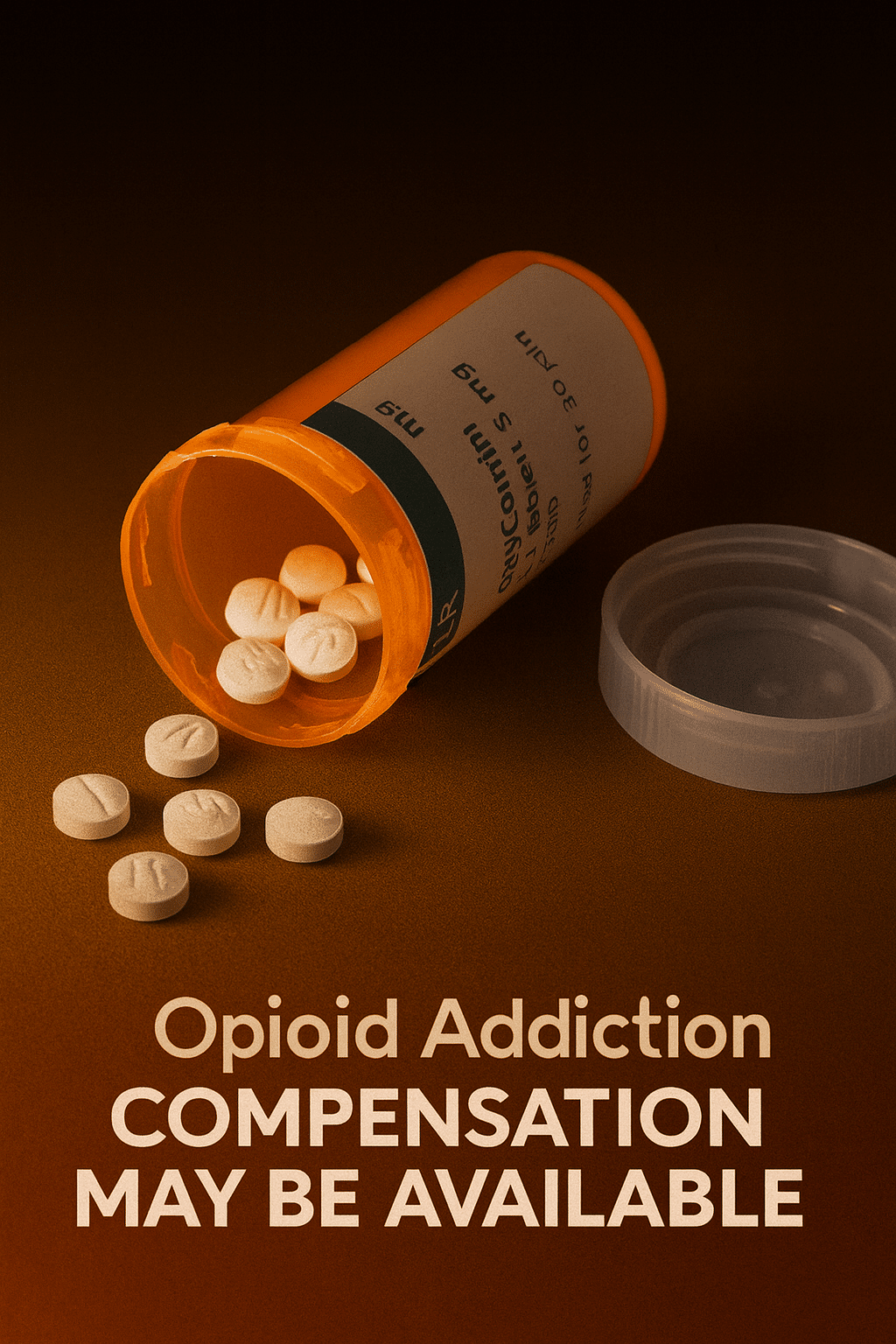
The Purdue Pharma Bankruptcy: How 87,000 Opioid Victims Got Representation When the Window Almost Closed
In 2019, Purdue Pharma filed for Chapter 11 bankruptcy protection with $10 billion to $12 billion in assets and facing liability that dwarfed that figure many times over. The company that manufactured OxyContin and spent two decades aggressively marketing it to physicians — downplaying addiction risk and pushing prescribers toward higher doses — was finally being held to account.
For victims of opioid addiction and the families of those who died, the bankruptcy created both an opportunity and an urgent deadline. A claims process was established within the bankruptcy proceedings that would allow victims to seek compensation — but only if they filed before the claims bar date. After that date, anyone who hadn’t filed was out. No exceptions. No second chances.
The problem: most of the people who qualified had no idea they qualified, no relationship with an attorney, and no understanding of how bankruptcy claims processes work. They were people in recovery, families in grief, communities still processing the devastation of the opioid epidemic. Getting them from their current reality to a filed claim in a compressed timeline required a national outreach effort on a scale that had rarely been attempted in mass tort litigation.
Attorney Anne Andrews, one of the foremost plaintiff attorneys in mass tort bankruptcy litigation, called our team and asked: can you build this?
The Goal and the Constraints
Anne’s original target was 10,000 filed claims — a number that would have represented a significant success in any claims campaign. The timeline was compressed. The audience was difficult to reach: people affected by opioid addiction often have disrupted digital lives, irregular internet access, and deep distrust of institutions — including law firms.
The constraints shaped our approach at every level:
- Messaging sensitivity: Advertising to people in recovery or to family members who lost someone to opioids requires a fundamentally different tone than most legal advertising. We couldn’t lead with settlement figures or aggressive legal language. The messaging had to acknowledge the experience first — the loss, the struggle, the complexity of addiction — before any mention of legal options.
- Speed of intake: With a hard claims deadline, every lead that didn’t convert to a filed claim within days was a potential missed opportunity. The intake infrastructure had to be fast, compassionate, and capable of scaling to volumes we couldn’t predict in advance.
- Geographic reach: The opioid crisis hit hardest in rural communities, in post-industrial cities, and in populations that are harder to reach through digital advertising. We had to build targeting configurations that reached into those communities specifically — not just the geographies where digital advertising is easy.
Building the National Campaign Infrastructure
We approached the campaign in parallel streams that launched simultaneously:
Advertising: Facebook and Instagram campaigns targeting people who had engaged with opioid recovery content, medication-assisted treatment resources, addiction support communities, and related health content. We built separate targeting configurations for people in recovery themselves and for family members of people who had struggled with opioid addiction — the creative and messaging for each population was meaningfully different.
The referral network: No single law firm could handle the intake volume we anticipated. We assembled a network of more than 50 law firms across the country, each prepared to receive and process claims from their geographic region. Andrews & Thornton coordinated the legal workup and filing, while network firms ensured that intake capacity could scale with advertising volume.
Intake workflow: The intake process was designed to move quickly without sacrificing care. People in crisis or grief can’t be run through a cold, transactional intake script. We developed intake protocols that acknowledged the experience, moved efficiently through qualification, and connected claimants to legal teams within 24 to 48 hours of initial contact.
The Results: Eight Times the Original Goal
The final numbers tell the story clearly:
- 142,000 qualified leads generated through the campaign
- 87,000 signed claimants — more than eight times Anne’s original goal of 10,000
- One of the largest coordinated claim efforts ever assembled in a bankruptcy proceeding
Behind those numbers are tens of thousands of individual stories — people who received some measure of acknowledgment for what happened to them, families who found a small measure of closure after losing someone to a crisis that Purdue Pharma’s marketing helped create and sustain.
What the Purdue Campaign Taught Us About Mass Tort Bankruptcy Outreach
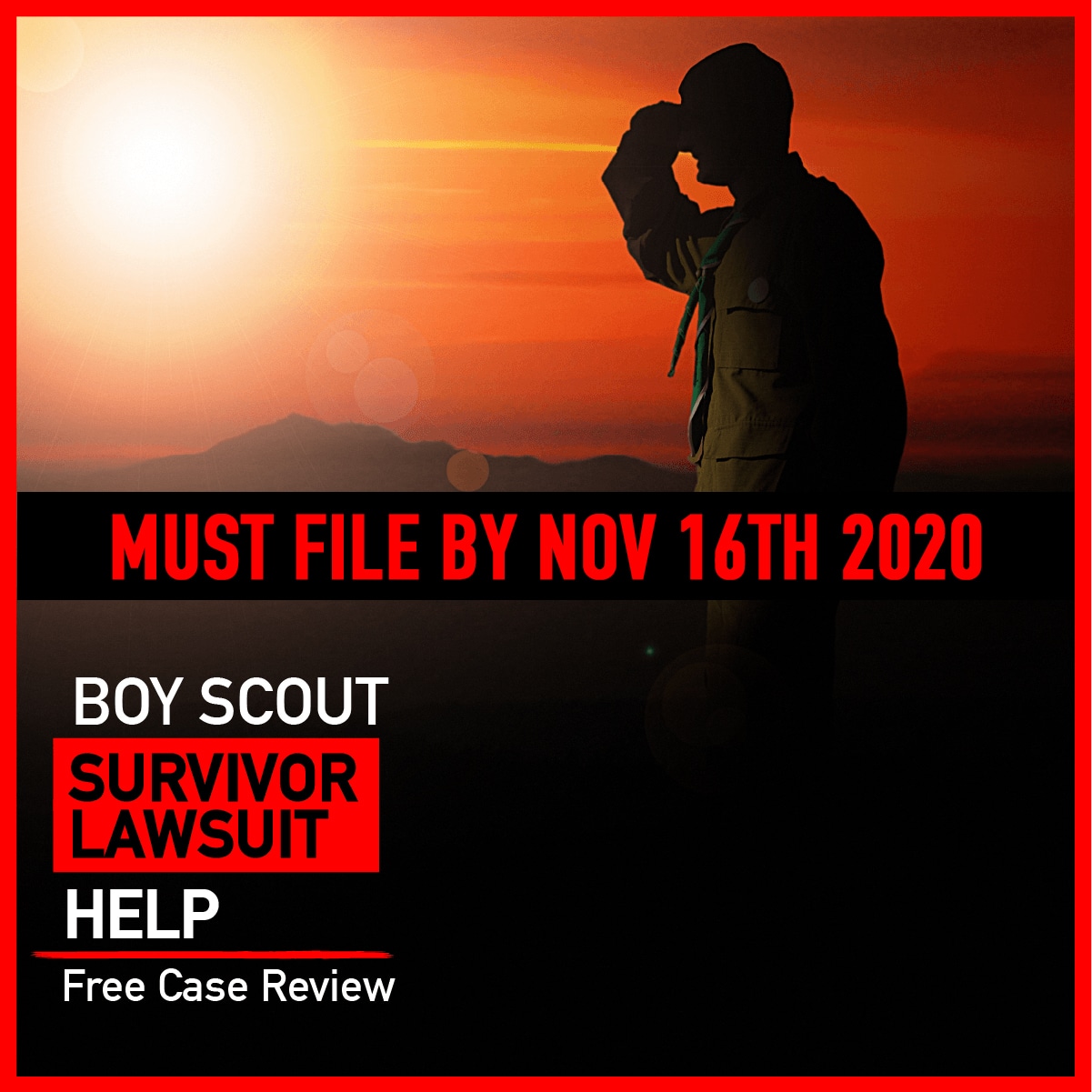
The Purdue opioid bankruptcy campaign established several principles that have informed every institutional bankruptcy claims campaign we’ve run since — including the Boy Scouts of America bankruptcy that followed shortly after:
The claimant bar date is the defining constraint: Every element of the campaign — creative development, targeting configuration, intake workflow, network assembly — has to be built around the deadline. There is no “we’ll optimize later.” You have to be operational at scale from the start.
Network scale is as important as advertising scale: The most common failure mode in claims campaigns is a bottleneck at intake. Advertising can generate leads faster than any single intake operation can process them. Building the referral network before the campaign launches is not optional.
Compassionate messaging outperforms aggressive legal advertising: For trauma-adjacent claimant populations — people in recovery, family members of those who died, survivors of institutional abuse — leading with empathy and acknowledgment consistently outperforms leading with legal language or compensation claims. This feels counterintuitive to some advertisers, but the data is consistent.
Scale and care are not in conflict: We signed 87,000 claimants in a compressed timeline. Each of those people went through an intake process designed to treat them with dignity. Efficiency and compassion can coexist when the systems are built correctly from the beginning.
As Jacob Malherbe reflected on the campaign: “It was a wonderful experience to help so many people who had become addicted to opioids through no fault of their own. For many of them, filing a claim was the first time anyone in the legal system had acknowledged what happened. For many, it was a step toward closure.”
If your firm is evaluating a mass tort bankruptcy claims campaign — whether that’s an active proceeding or one you’re anticipating — the Purdue blueprint is directly applicable. The infrastructure we built for that campaign exists, has been refined across subsequent campaigns, and can be deployed quickly when the timing is right.
Ready to Scale Your Mass Tort Caseload?
Get a free campaign analysis from Mass Tort Ad Agency.
$250M+ in mass tort Facebook ad spend. 600+ law firms served. Transparent cost-plus pricing with no hidden fees.