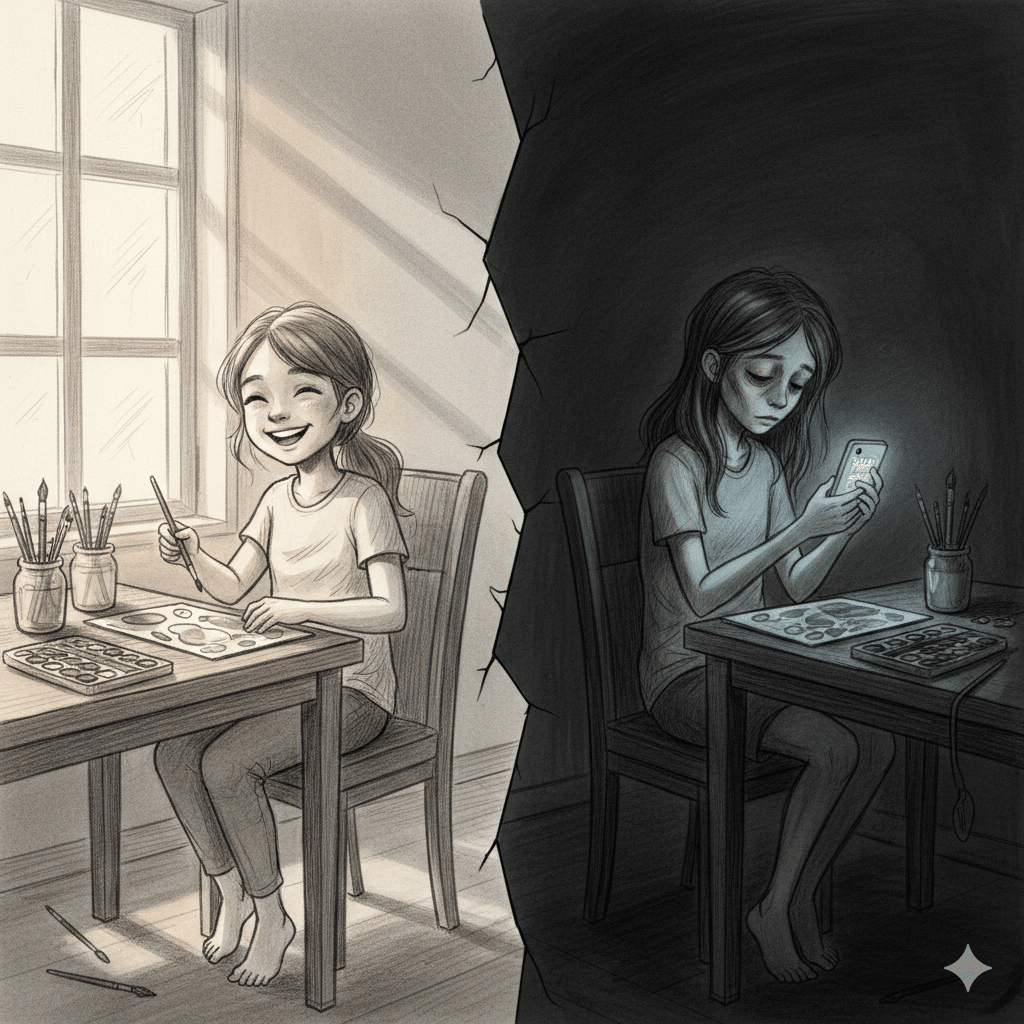
My neighbor’s daughter was once the kind of child who would knock on doors early on a Saturday morning. You know the type—full of energy, eager to see if your kids could come out to play. She’d take it upon herself to organize games and lead everyone to the park, regardless of whether they were interested. She was eleven then.
Now, my daughter is thirteen, and over a year has passed since I last saw her knock on someone’s door. I’ve been paying attention to what parents are sharing online—not the polished opinion pieces or pediatrician advice articles, but the raw, late-night Reddit posts from people who feel exhausted, scared, and unsure of where to turn.
One mother’s words struck me profoundly: “I feel like I’m grieving a child who’s still alive.” It’s not just about words; it’s the reality of losing someone who’s physically there but feels distant. A child who seems nearby but is emotionally out of reach. They’re alive, eating, and doing everyday things, yet the person they once were has disappeared. It’s a form of grief that’s difficult to articulate, but it’s genuine and deeply painful.
The soccer cleats by the door haven’t moved in four months. This is something people don’t often discuss when trying to address these issues.
When you take a phone away from your child, they look at you as if you’ve shattered their entire world. It’s not mere teenage drama; it’s something raw, akin to withdrawal symptoms. One father described it as trying to prevent a bomb from going off when he confiscates the phone, never knowing what the outcome will be.
Most parents don’t assert control. They attempt to talk things through, set rules that go unenforced, and install parental control apps that their kids easily bypass. They convince themselves things will improve when school gets busy, or sports start, or something else draws their children back into the real world.
However, it doesn’t get better. The uncomfortable truth that no one wants to admit at school board meetings or pediatrician’s offices is that these platforms were not created carelessly. Their addictiveness was no accident. The top engineering talents of our generation focused on making a twelve-year-old unable to put down a phone, and they succeeded. Internal documents emerging in social media addiction lawsuits nationwide reveal that they were fully aware of their actions.
Social Media Addiction Is An Addiction.
And what about those kids who are now in their twenties? That might be the hardest part. They’re not ignorant; they’ve read about dopamine loops and algorithmic manipulation. They’ve seen leaked documents showing that Instagram and TikTok knew their platforms were damaging young users but continued to develop harmful features. Even fully aware of how they’re being influenced, they still can’t stop.
One young man admitted, “I open Instagram before I’m even out of bed. I don’t even choose to. My thumb just does it.” Another said, “I keep deleting the app but always download it again. The shame afterward is worse than the scrolling itself.” These aren’t weak or irresponsible people. They were teenagers when these apps emerged, with still-developing brains, handed tools engineered to exploit that developmental stage—and now they live with the consequences of decisions made before they could fully understand them.
A young woman voiced a sentiment that resonates deeply: “Their perfect highlight reel versus my actual life. I lose that comparison every single time. And yet, I keep looking.”
I’m not writing this to induce hopelessness. I’m writing because the conversation is stuck in the wrong place. We keep focusing on screen time limits, parental controls, and digital wellness tips as if this is about discipline, willpower, or parenting.
It’s not. It’s a product issue. And products have creators. And creators should be held accountable.
Social Media Addiction Lawsuit
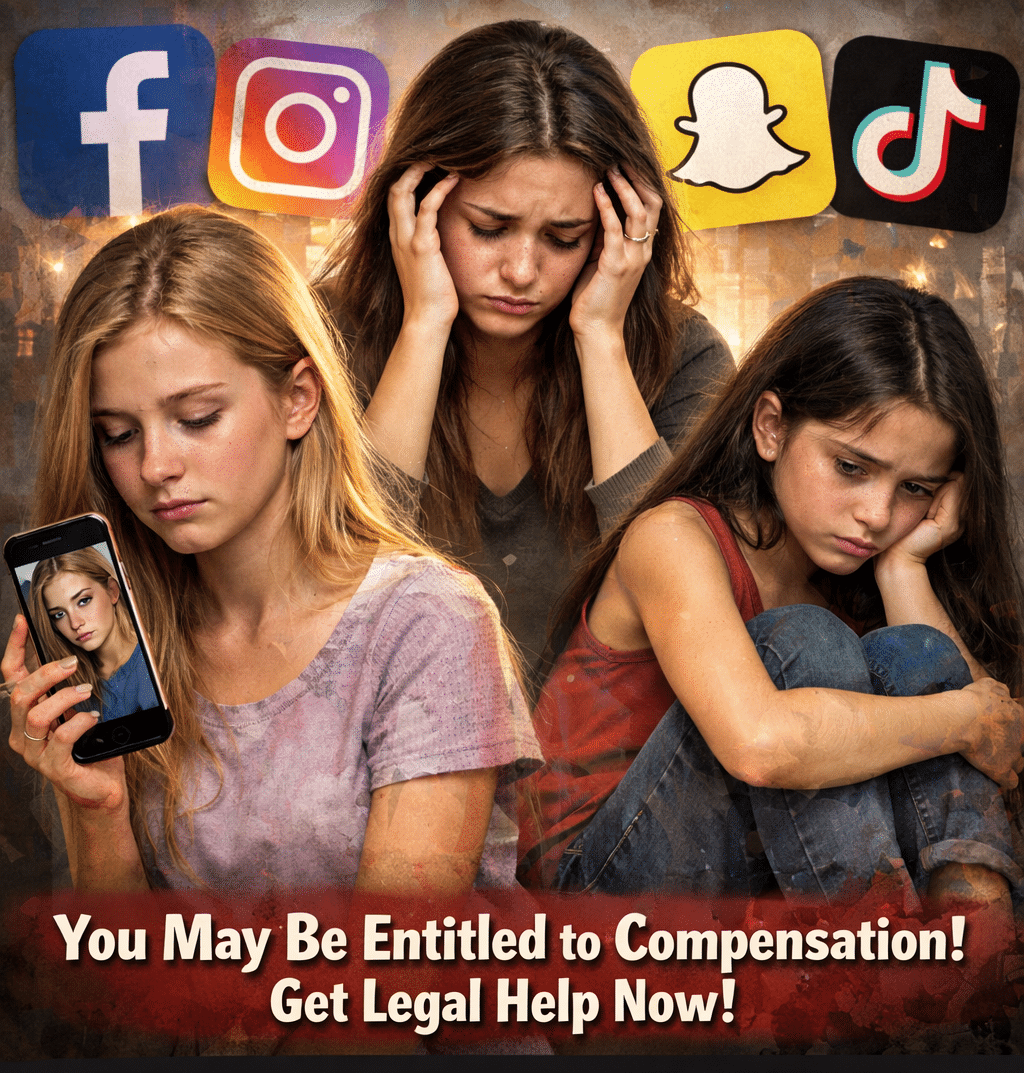
Courts across the country are recognizing this. Thousands of families have joined the social media addiction multidistrict litigation, which consolidates cases against Meta, TikTok, Snap, and YouTube, alleging these companies intentionally designed addictive platforms that seriously harmed minors’ mental health. Recently, Mark Zuckerberg testified before a jury for the first time, confronting a young woman who claims Instagram ensnared her at age nine. Parents gathered outside the courthouse with photos of children they lost—not metaphorically.
If your family has experienced this—if your child’s mental health, sleep, self-esteem, or worse was harmed by social media addiction—know that it wasn’t inevitable. It was engineered. And some believe this warrants a legal response.
A national social media addiction mass tort ad agency is assisting attorneys in finding qualified families ready to assert their rights.
Start here: www.masstortadagency.com
Ready to Scale Your Mass Tort Caseload?
Get a free campaign analysis from Mass Tort Ad Agency.
$250M+ in mass tort Facebook ad spend. 600+ law firms served. Transparent cost-plus pricing with no hidden fees.