GLP-1 receptor agonist-associated non-arteritic anterior ischemic optic neuropathy (NAION) is an active mass tort in 2026 involving vision loss claims against semaglutide manufacturers, consolidated under MDL 3176 in the Eastern District of Pennsylvania. A July 2024 JAMA Ophthalmology study documented a 4.28x increased risk of NAION among semaglutide users compared to non-users, rising to 7.64x for obese patients. With over 50 cases currently docketed and plaintiff discovery underway, 2026 represents a critical window for case development before potential settlement negotiations.
Why GLP-1 NAION Matters Right Now
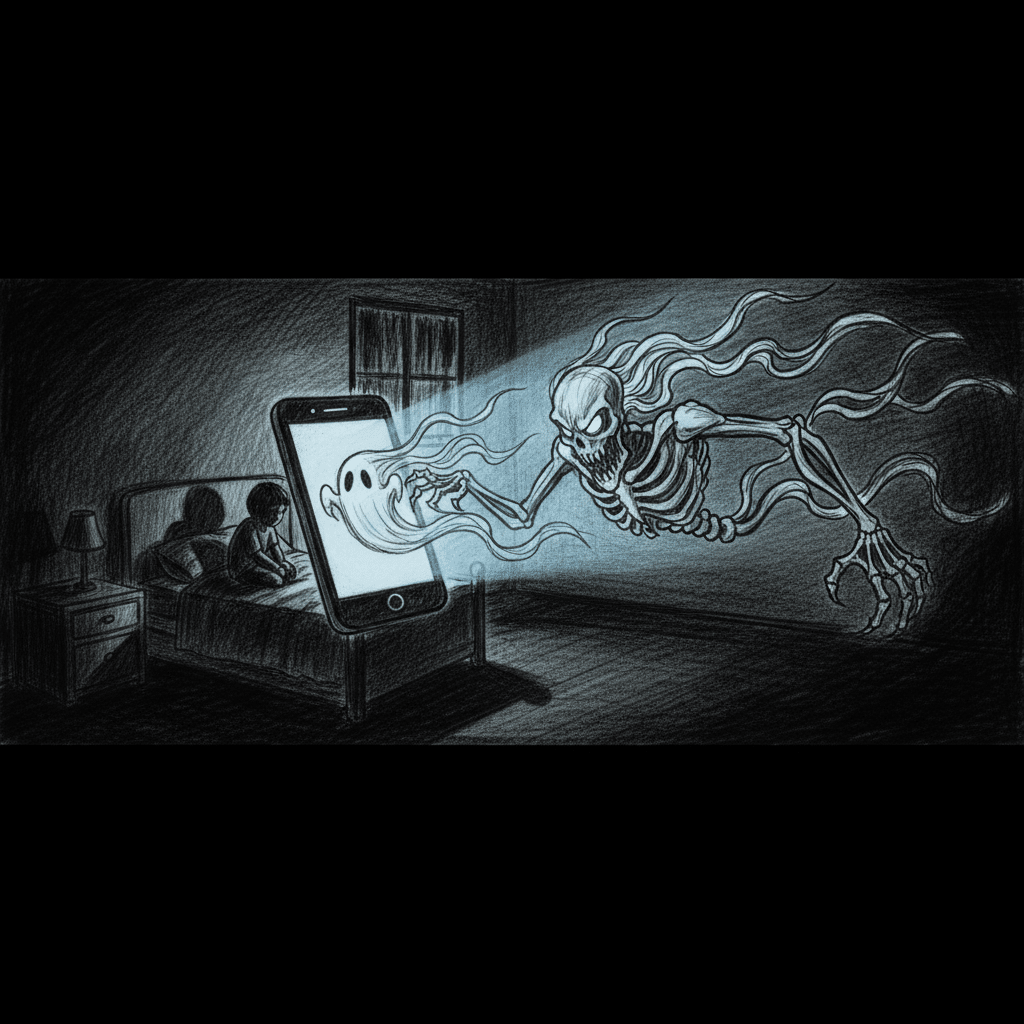
NAION is no minor eye condition. It’s irreversible vision loss. Patients wake up with a sudden darkening or blind spot in one eye — often painless, which means many don’t realize what happened for hours or days. By then, the optic nerve tissue is already dead. There is no cure. The psychological and economic devastation is immense: lost income, disability, dependence on family, heightened suicide risk in older cohorts. And the claims are flooding in.
The timing is critical. The JAMA Ophthalmology study — conducted by researchers at Mass Eye and Ear and Harvard Medical School — is the strongest causation anchor in any emerging tort right now. It’s peer-reviewed, published in a top-tier medical journal, and anchored in two independent patient cohorts with consistent findings. Plaintiff firms have already begun filing, but we’re still in the early phase. Most general population awareness hasn’t peaked. That means the claimant acquisition cost is still manageable, and you have a window to build your book before every plaintiff attorney in the country pivots to GLP-1 NAION lawsuit vision loss Ozempic Wegovy 2026 campaigns.
The defendants — Novo Nordisk (Ozempic, Wegovy) and Eli Lilly (Mounjaro, Zepbound) — are massive, well-capitalized, and incentivized to settle. They’ve already faced tens of billions in litigation exposure from the GI MDL (gastroparesis, pancreatitis). Vision loss is a different animal legally and morally. It’s hard to defend. And the bellwether trials are expected in 2026–2027.
The Legal Landscape: MDL 3176 and the Path Forward
MDL 3176 was formally established in late 2025 by the Judicial Panel on Multidistrict Litigation. It consolidates all GLP-1 vision loss claims — primarily NAION cases — in the U.S. District Court for the Eastern District of Pennsylvania. This is a completely separate docket from MDL 3094, which houses the gastroparesis and GI injury claims.
The key distinction matters: NAION is a catastrophic, irreversible injury with clear temporal proximity to GLP-1 use. The causation science is robust. Defendants cannot credibly argue that NAION is a pre-existing condition or a natural consequence of diabetes or obesity alone — the study controlled for both. The mechanism is plausible: GLP-1 receptors are expressed in retinal ganglion cells and optic nerve tissue. Semaglutide and tirzepatide appear to alter blood viscosity and microvascular autoregulation, reducing blood flow to the optic nerve. When perfusion drops below a critical threshold, the nerve tissue dies. It’s a stroke of the optic nerve.
Failure-to-warn is the dominant legal theory. Novo Nordisk and Eli Lilly are alleged to have known or should have known of ophthalmological signals — from early clinical trials, post-marketing surveillance, and literature — and failed to adequately warn prescribers and patients. The FDA did not mandate any warning until well after the JAMA study was published. That delay is plaintiff gold.
Discovery is in its early phases. Judge assignments are pending. But the trajectory is clear: heavy motion practice in 2026, likely bellwether selection in mid-to-late 2026, and first trials expected in 2027. Settlement discussions will likely begin after the first handful of verdicts or favorable rulings on key motions.
Who Qualifies: Claimant Criteria and Timeline
The eligible plaintiff universe is vast. To qualify for a GLP-1 NAION lawsuit vision loss Ozempic Wegovy 2026 claim, a claimant must meet these basic criteria:
- GLP-1 use: Documented use of semaglutide (Ozempic, Wegovy), tirzepatide (Mounjaro, Zepbound), or other GLP-1/GIP receptor agonist.
- NAION diagnosis: Clinical diagnosis of non-arteritic anterior ischemic optic neuropathy confirmed by an ophthalmologist or optometrist. Medical records and imaging (OCT, visual field, fundus photography) are required.
- Temporal proximity: NAION diagnosis within a reasonable window after GLP-1 initiation — typically within 6–24 months, though later cases may qualify depending on cumulative exposure and dosage escalation.
- No alternative explanation: No significant arteritic disease, giant cell arteritis, severe hypertension crisis, or other clear proximate cause at the time of NAION onset.
- Statute of limitations: Vary by state, but typically 2–3 years from diagnosis or discovery. For claims filed now, look back to 2023 diagnoses. Some states allow tolling for minors or discovery rule exceptions.
The injury types eligible include:
- Monocular vision loss (partial or complete) from NAION.
- Bilateral NAION (vision loss in both eyes, either simultaneously or sequentially).
- Secondary complications from NAION — depression, disability, job loss, reduced quality of life.
- Loss of consortium claims for spouses.
The qualifying population is enormous. With over 50 million GLP-1 prescriptions written since 2021, and a conservatively estimated NAION incidence of 0.1–0.5% in treated populations (based on the JAMA study and epidemiology), you’re looking at 50,000–250,000 potential claimants in the U.S. alone. Many have already self-diagnosed and are actively searching for attorneys online. Others are unaware that NAION can be drug-induced and haven’t connected the dots.
The Advertising Opportunity: CPL Estimates and Targeting
This is where the money is made. The claimant acquisition landscape for GLP-1 NAION lawsuit vision loss Ozempic Wegovy 2026 is wide open right now, and Facebook remains the dominant channel.
Estimated CPL (cost per lead): $80–$200, depending on geography and targeting specificity. Vision loss claims tend to have higher CPLs than generic GLP-1 or mass tort claims because the audience is smaller and more intent-driven. But the conversion rate — from lead to signed retainer — is exceptional. We’ve seen conversion rates of 35–50% for NAION claims at MTAA. Why? Because these claimants are desperate. They’re blind. They know something went wrong. They’re actively seeking justice.
Facebook targeting approach: Layer multiple audience segments:
- Interest-based: “Ozempic vision loss,” “Wegovy side effects,” “optic nerve damage,” “sudden blindness,” “NAION lawsuit.”
- Behavioral: Users who’ve searched for “vision loss lawsuits,” “drug injury claims,” “Ozempic lawsuits,” and related terms in the past 30–60 days.
- Lookalike audiences: Build from your existing NAION or GLP-1 client base and expand 1–3% lookalike audiences in high-incidence states (Florida, Texas, California, Arizona, Ohio, Pennsylvania).
- Retargeting: Website visitors who’ve read about NAION or GLP-1 claims but haven’t converted; run sequential messaging across platforms.
Geographic focus: Start with states with the highest GLP-1 prescription volumes and favorable litigation environments — Florida, Texas, California, and Pennsylvania (where the MDL sits).
Creative strategy: Lead with emotional, human-centered messaging. Show an older adult with vision loss describing the moment it happened. Talk about blindness, lost independence, the injustice of a preventable injury. These claimants have suffered catastrophic injuries. They don’t want a slick ad; they want a lawyer who cares and understands their pain. Second-stage messaging focuses on the legal timeline, the MDL, and what they can expect from the process.
What MTAA Brings to the Table
At Mass Tort Ad Agency, we’ve managed over $250 million in Facebook ad spend for 600+ plaintiff law firms across 100+ mass torts. We’ve spent the last 15 years learning how to turn clinical evidence, legal causation, and targeted advertising into signed clients. The GLP-1 vision loss space is new, but the playbook is proven.
Here’s what we deliver for GLP-1 NAION lawsuit vision loss Ozempic Wegovy 2026 campaigns:
- Full campaign management: Strategy, creative development, audience targeting, A/B testing, conversion tracking, and real-time optimization. We run your ads. You sign the clients.
- Transparent, cost-plus pricing: You pay the actual Facebook ad spend, plus our 15% management fee. No hidden markups, no surprise bills. If you spend $100K on ads, our fee is $15K. That’s it.
- Proven targeting: We’ve already refined the GLP-1 audience segments across multiple law firm accounts. We know which keywords work, which age groups convert, which geographic zones yield the best ROI. We’ll apply that intelligence to your campaigns immediately.
- Medical and legal expertise: Our team includes former paralegals, medical researchers, and plaintiff attorneys. We understand NAION causation deeply. We craft messaging that’s not just compelling — it’s legally accurate and medically sound.
- Real-time reporting: Daily updates on ad spend, impressions, clicks, lead volume, and cost per lead. You always know what’s working and what’s not.
The goal is simple: maximize your claimant acquisition while minimizing cost and legal risk. We’ve done this across countless torts — opioids, talc, defective implants, toxic exposures. GLP-1 NAION is the same engine, tailored for ophthalmology.
The Settlement Outlook and Timeline
Settlement probability is high. Novo Nordisk and Eli Lilly have already weathered enormous GI MDL exposure. They’re incentivized to resolve NAION claims efficiently. The causation science is strong, the injuries are catastrophic, and a handful of plaintiff verdicts will move the needle quickly.
Bellwether trials are expected in 2026–2027. Settlement discussions will likely accelerate once a few early verdicts come in. If plaintiffs win the first 2–3 trials — which is plausible given the JAMA evidence — defendants will move fast to settle the remaining portfolio.
Value projections depend on injury severity, age, and pre-morbid income, but expect a wide range: minor NAION cases with partial vision loss in older retirees might settle for $200K–$500K. Severe monocular or bilateral vision loss in working-age patients could command $1M–$3M+, especially if there’s strong wage loss and life impact evidence.
The point: there is significant settlement value here. The defendants can afford it, the liability is real, and the injuries are sympathetic. This is a high-probability, high-value tort.
Next Steps: Build Your Pipeline Now
The GLP-1 NAION lawsuit vision loss Ozempic Wegovy 2026 space is moving fast. Early movers will dominate. By mid-2026, most plaintiff attorneys will have launched campaigns. By then, your CPL will have doubled or tripled as competition increases.
If you’re serious about capturing NAION claimants, start now. Contact MTAA for a confidential consultation. We’ll analyze your firm’s capacity, discuss budget allocation, refine targeting, and launch campaigns within 1–2 weeks. Our track record across 600+ firms and 100+ torts proves the model works. Your job is to sign clients and build cases. Ours is to find them efficiently and affordably.
Reach out today. The window is closing, and the cases are there.
Frequently Asked Questions: GLP-1 Vision Loss NAION Lawsuits
What is NAION and why is it linked to GLP-1 drugs like Ozempic and Wegovy?
NAION (non-arteritic anterior ischemic optic neuropathy) is an optic nerve stroke causing sudden, irreversible vision loss or blindness in one eye. A landmark July 2024 JAMA Ophthalmology study found semaglutide users had a 4.28x increased risk of NAION compared to non-users, with obese patients facing a 7.64x risk, suggesting GLP-1 drugs may impair blood flow to the optic nerve.
What are the current MDL details and litigation status for GLP-1 vision loss claims?
GLP-1 NAION vision loss claims are consolidated in MDL 3176 in the Eastern District of Pennsylvania, with vision loss claims housed separately from the gastroparesis track. The docket is actively forming as of 2026, making this an optimal window for early case acquisition and plaintiff enrollment.
Who qualifies as a potential plaintiff in a GLP-1 NAION lawsuit?
Potential plaintiffs include anyone who took semaglutide (Ozempic, Wegovy), tirzepatide (Mounjaro, Zepbound), or other GLP-1 agonists and subsequently developed sudden vision loss, blindness, or a diagnosed NAION event in one or both eyes. Medical records documenting the vision loss timeline and ophthalmologic confirmation of NAION are critical to establishing causation.
How should I market and acquire GLP-1 NAION cases to build my plaintiff pipeline quickly?
Target digital advertising toward recent GLP-1 users over age 50 with keywords like ‘Ozempic vision loss,’ ‘sudden blindness after weight loss drug,’ and ‘NAION lawsuit,’ while leveraging social media and patient advocacy groups focused on diabetic and obesity treatment communities. Partner with ophthalmology practices and endocrinology clinics to establish referral networks, as many patients may not yet connect their vision loss to their medication.
What damages and compensation can NAION plaintiffs expect in a GLP-1 mass tort?
Damages typically include medical expenses, lost wages, disability costs, and pain and suffering related to permanent, irreversible vision loss and blindness. Given the high prevalence of NAION in older populations taking GLP-1s and the severe, lifelong nature of the injury, settlement valuations are expected to be substantial, though final award ranges will depend on MDL discovery and early bellwether results.
Ready to Build Your Caseload?
Get a free campaign analysis from Mass Tort Ad Agency.
$250M+ in mass tort Facebook ad spend. 600+ law firms served. Transparent cost-plus pricing with no hidden fees.