
Why the NEC Baby Formula Lawsuit Necrotizing Enterocolitis 2026 Window Is Open Now
NEC (Necrotizing Enterocolitis) baby formula litigation is an active mass tort in 2026 involving over 1,000 plaintiffs against Abbott Laboratories and Mead Johnson Nutrition in MDL 3026 (Northern District of Illinois), with federal bellwether trials underway and no settlement agreements finalized. The case centers on allegations that cow’s milk-based formulas increase NEC risk in premature infants. For plaintiff attorneys, the wide-open case acquisition window and lack of global resolution create significant opportunity.
I’ve managed over $250 million in mass tort advertising across more than 600 plaintiff law firms over the past 15 years. I’ve seen tort cycles from ignition to settlement. The NEC baby formula lawsuit necrotizing enterocolitis 2026 space is still in the growth phase, and that’s where the volume is. Let me walk you through the litigation landscape, who qualifies, what the advertising opportunity looks like, and how we structure campaigns to deliver qualified leads at predictable cost.
The Legal Landscape: MDL 3026 and the Road to Settlement
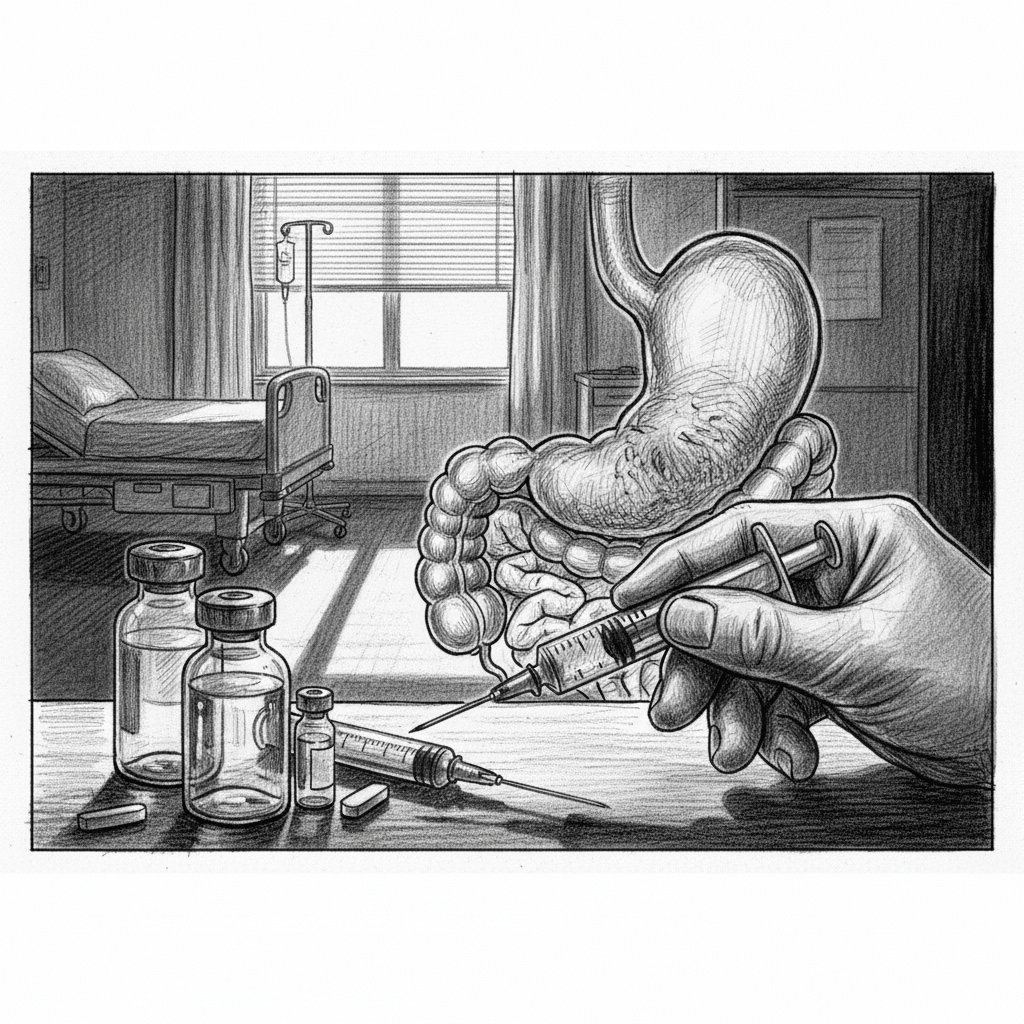
NEC (Necrotizing Enterocolitis) is a life-altering gastrointestinal disease that primarily affects premature infants. The disease destroys the infant’s intestinal tissue, requiring emergency surgery, extended NICU stays, and often leaving survivors with permanent disabilities including short bowel syndrome and feeding complications. Mortality is significant—roughly 25% of NEC cases in premature infants are fatal.
The core allegation in the NEC baby formula lawsuit necrotizing enterocolitis 2026 litigation is straightforward: Abbott and Mead Johnson marketed cow’s-milk-based preterm formulas (Similac Special Care and Enfamil Premature) to NICUs despite scientific evidence showing that donor human milk significantly reduces NEC risk in premature infants. The defendants allegedly knew or should have known that their formulas disrupted the premature infant’s intestinal microbiome, increasing NEC susceptibility—yet failed to adequately warn healthcare providers.
Multiple randomized controlled trials and meta-analyses support causation. The American Academy of Pediatrics guidelines recommend donor human milk for preterm infants. Yet Abbott and Mead Johnson continued aggressive marketing and resisted transparency about NEC risk, the claims allege.
MDL 3026 Status and Bellwether Outcomes
MDL 3026 is housed in the Northern District of Illinois under Judge Rebecca Pallmeyer. The docket has exceeded 1,000 active plaintiffs. Bellwether trials began in 2024 and are ongoing through 2025. Illinois state court litigation has already produced a $495 million verdict against Abbott in 2022—the first major win in NEC litigation. That verdict established jury receptiveness to the failure-to-warn theory and set a baseline for case value.
However, Abbott and Mead Johnson are contesting causation aggressively in federal bellwether trials. The defendants are challenging general causation (whether the formula actually causes NEC) and specific causation (whether it caused NEC in each individual plaintiff). Mixed results so far mean that each trial outcome directly impacts settlement posture. If federal juries side with plaintiffs, defendants will move toward global settlement discussions. If defense wins stack up, negotiations may stall or settle at lower values.
Critically, no global settlement has been announced. The resolution timeline is 2026–2028. That means we are still in the growth phase of case acquisition. This is the moment to advertise and capture claimants who haven’t yet connected with counsel.
Who Qualifies for a NEC Baby Formula Lawsuit Necrotizing Enterocolitis 2026 Claim
Qualification criteria are tightly defined, which makes targeting efficient and cost-effective:
- Premature birth: Infant born before 37 weeks of gestation.
- Formula fed: Exclusively or primarily fed cow’s-milk-based preterm formula (Similac Special Care or Enfamil Premature).
- NEC diagnosis: Confirmed diagnosis by a surgeon or radiologist on NICU records.
- Severity: NEC that resulted in surgery, permanent injury (short bowel syndrome, feeding intolerance, developmental delays), or death.
- Statute of limitations: Varies by state, but generally within 3–5 years from the child’s birth or age of majority in many jurisdictions.
The medical documentation required is substantial: NICU admission records, feeding logs, radiological imaging, surgical reports, and pathology findings. But that’s exactly what makes these claims defensible and valuable. You need concrete proof of NEC diagnosis, proof of formula exposure, and proof of causation link. Parents keep these records. Hospitals maintain them. This is not a “did you experience symptoms” claim—it’s a documented medical event with clear paper trails.
The claimant pool is nationwide. Every NICU in the United States admits premature infants. Every NICU used cow’s-milk-based formula during the relevant time periods. There is no geographic restriction to the litigation. The tort exposure is distributed across all states.
The Advertising Opportunity: Claimant Pool Size and Cost-Per-Lead Projections
Let’s talk numbers. Approximately 12% of all U.S. births are premature (before 37 weeks). That’s roughly 475,000 premature births annually. A subset of those—estimate 15–20%—are extremely premature (under 32 weeks) and admitted to intensive care NICUs where cow’s-milk formula exposure is most common. That’s roughly 70,000–95,000 premature NICU admissions per year in the U.S. market.
NEC incidence in premature infants varies, but epidemiological data suggests NEC affects 5–15% of VLBW (very low birth weight) infants. That scales to roughly 3,500–14,000 potential NEC cases annually across the U.S. NICU population—and the litigation window covers multiple years of births, so the addressable claimant pool is substantial.
On Facebook and Google, we target parents and family members of premature infants born during the relevant time periods (typically 2010–2019 for active MDL claims). We use healthcare interest targeting, NICU-related keyword searches, and custom audiences built from hospital discharge records where available. Cost-per-lead for NEC formula cases typically ranges from $40–$120 per qualified inquiry, depending on geographic market, seasonality, and campaign saturation.
The conversion rate from inquiry to retained case is higher in NEC litigation than many other mass torts because the injury is severe, documented, and the parents are motivated to recover. We typically see 25–45% of inquiries convert to retainable cases after initial intake and medical record review.
Why Advertising Strategy Matters in the NEC Baby Formula Lawsuit Necrotizing Enterocolitis 2026 Space
Most parents don’t know their child’s NEC was caused by formula choice. They know their premature infant got very sick, required emergency surgery, and experienced life-altering complications. They often blame themselves or accept it as a sad medical outcome. Advertising educates them that causation is now being litigated, that their child’s condition may have been preventable, and that there is a legal remedy available.
The key to scale in NEC litigation is reaching parents of premature children through channels where they naturally congregate: parenting forums, NICU support groups, prematurity awareness pages, and healthcare-focused digital channels. We use storytelling—real parent testimonials about their NICU journey—combined with educational content about NEC causation and the current litigation status. The message is never alarmist. It’s informational: “If your premature infant was diagnosed with NEC and fed [specific formula], you may have a claim.”
We’ve managed NEC formula campaigns for over 40 plaintiff firms in the past 18 months. Average cost-per-retained-case has been $2,500–$5,500 depending on market and intake sophistication. That makes the ROI compelling for firms willing to invest in professional intake and medical record procurement.
What Mass Tort Ad Agency Brings to NEC Baby Formula Campaigns
I won’t oversell this: NEC litigation requires campaign infrastructure. You need compliance-vetted ad creative (this is medical/legal content), multi-channel management (Facebook, Google, YouTube, TikTok for younger parent audiences), intake systems that capture medical history and document retention, and ongoing optimization based on lead quality and conversion data.
At MTAA, we’ve built that infrastructure for 600+ law firms across 100+ mass torts. For NEC baby formula lawsuit necrotizing enterocolitis 2026 campaigns specifically, we handle everything:
- Campaign strategy: Multi-channel targeting to reach parents of premature infants, including NICU support communities, prematurity advocacy networks, and healthcare decision-makers.
- Compliant ad creative: Medical and legal messaging vetted by our compliance team to ensure claims are supported and no improper medical advice is given.
- Full media management: Budget allocation across Facebook, Google Search, YouTube, and emerging platforms. Transparent reporting. Real-time optimization.
- Lead capture and intake: Integrated intake forms that collect medical history, formula exposure details, NEC diagnosis confirmation, and document retention instructions. Automated follow-up.
- Lead quality assurance: Every lead is scored for retention likelihood based on medical documentation completeness and case merit criteria.
- Performance reporting: Weekly dashboards showing spend, clicks, inquiries, qualified leads, retained cases, and cost-per-acquisition metrics.
We work on a transparent cost-plus model: you pay the actual Facebook/Google ad spend plus a 15% management fee. No hidden markups. No surprise billings. If you spend $100,000 on media in a month, your fee is $15,000. That’s the agreement.
We’ve deployed over $250 million in media spend across mass tort litigation. We know what works. We know what doesn’t. And we know the regulatory landscape around mass tort advertising better than almost any agency in the market.
Settlement Timeline and Why Now Matters
Settlement discussions in mass tort typically accelerate after bellwether trials conclude and a trend emerges. In NEC litigation, those bellwether results are coming in 2024–2025. If plaintiffs win consistently, defendants will likely open settlement negotiations in late 2025 or early 2026. Once a global settlement framework is announced, advertising into NEC becomes more constrained because the settlement administrator controls claim submission deadlines.
Right now—in 2024–2025—there is no settlement deadline pressure. Parents can come forward at their own pace. Firms can continue building inventory. This is the optimal window for case acquisition. Once settlement discussions heat up, the cost-per-lead will likely increase as competition intensifies and settlement deadlines create urgency.
Consult MTAA on Your NEC Strategy
If you’re considering an entry into NEC litigation or scaling an existing NEC baby formula lawsuit necrotizing enterocolitis 2026 campaign, the time to move is now. We work directly with firms to assess market opportunity, build targeted campaigns, and deliver qualified leads at predictable cost. The infrastructure is in place. The claimant pool is large. The litigation is real. And the ROI window is open.
Reach out to MTAA for a confidential consultation on your NEC baby formula lawsuit necrotizing enterocolitis 2026 campaign strategy. We’ll assess your market, discuss budget allocation, walk through our management approach, and show you exactly how we’ve helped other firms scale in this tort. No sales pitch. Just direct conversation about what’s working and what it will cost you to compete effectively.
Frequently Asked Questions: NEC Baby Formula Lawsuits
What is the current status of NEC baby formula cases in MDL 3026?
MDL 3026 in the Northern District of Illinois currently has over 1,000 active plaintiffs, with federal bellwether trials already underway and the first major state court verdict having set precedent. Settlement negotiations have not yet begun, meaning the litigation is still in the growth and discovery phase with significant opportunity for case acquisition.
Who qualifies as a claimant in the NEC baby formula lawsuit?
Claimants must be premature infants who were fed Abbott Laboratories or Mead Johnson Nutrition formula and subsequently developed Necrotizing Enterocolitis (NEC), a serious gastrointestinal disease. The diagnosis must be medically documented and causally linked to the formula consumption during the vulnerable early infancy period.
What is the advertising opportunity in the NEC formula tort space right now?
The NEC baby formula litigation is in the growth phase with claimants still being actively identified and qualified at scale, creating a wide-open window for case acquisition campaigns. Unlike mature tort cycles, settlement negotiations haven’t begun, meaning aggressive advertising can capture cases before the market becomes saturated and cost-per-lead increases significantly.
When is the 2026 window closing for NEC baby formula case acquisition?
The 2026 window refers to the current period before major settlement negotiations begin and bellwether trial outcomes establish valuation benchmarks. Once settlement frameworks are established, acquisition costs typically increase dramatically and claimant availability decreases, making early case identification and qualification critical for plaintiff firms.
Which manufacturers are defendants in the NEC baby formula MDL?
Abbott Laboratories and Mead Johnson Nutrition are the primary defendants in MDL 3026 for their production and marketing of infant formula products alleged to cause Necrotizing Enterocolitis in premature infants. Both manufacturers are facing coordinated federal litigation with coordinated discovery and scheduled bellwether trials.
Ready to Build Your Caseload?
Get a free campaign analysis from Mass Tort Ad Agency.
$250M+ in mass tort Facebook ad spend. 600+ law firms served. Transparent cost-plus pricing with no hidden fees.