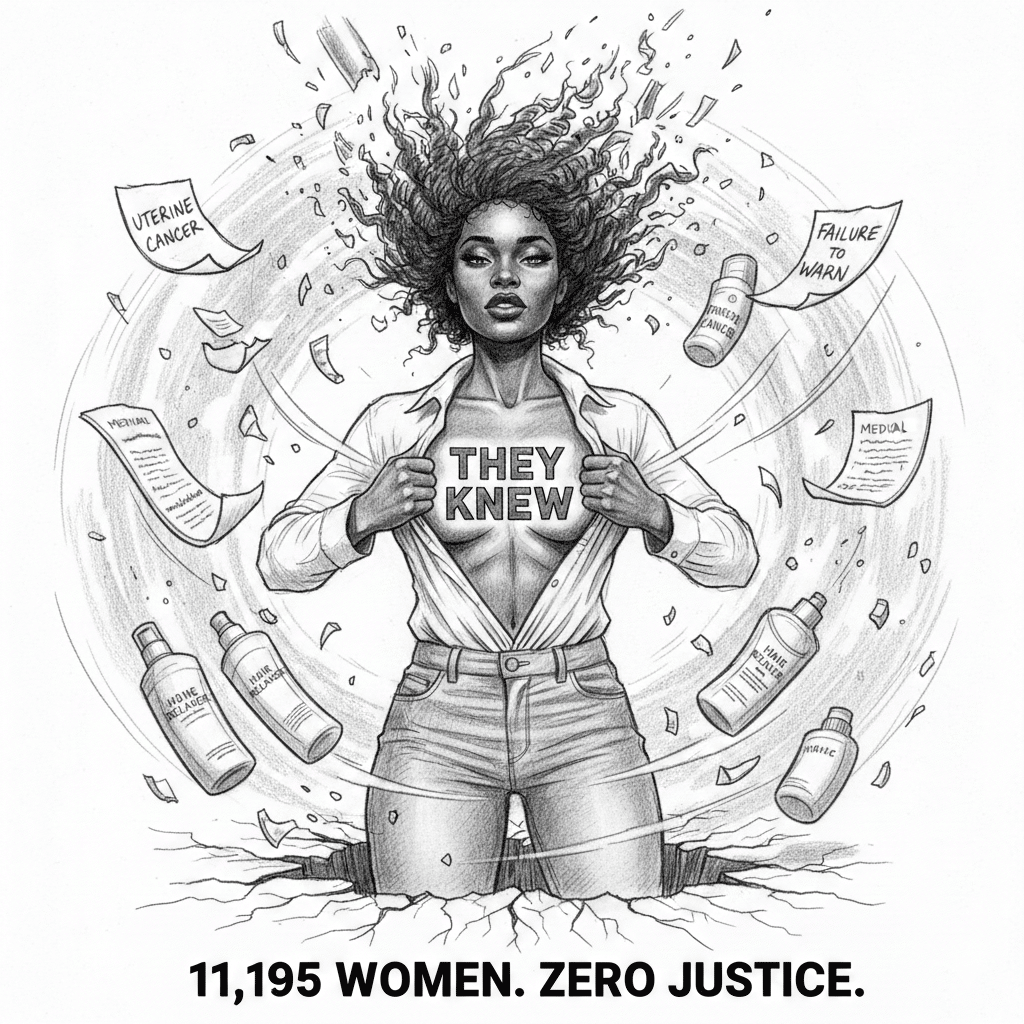
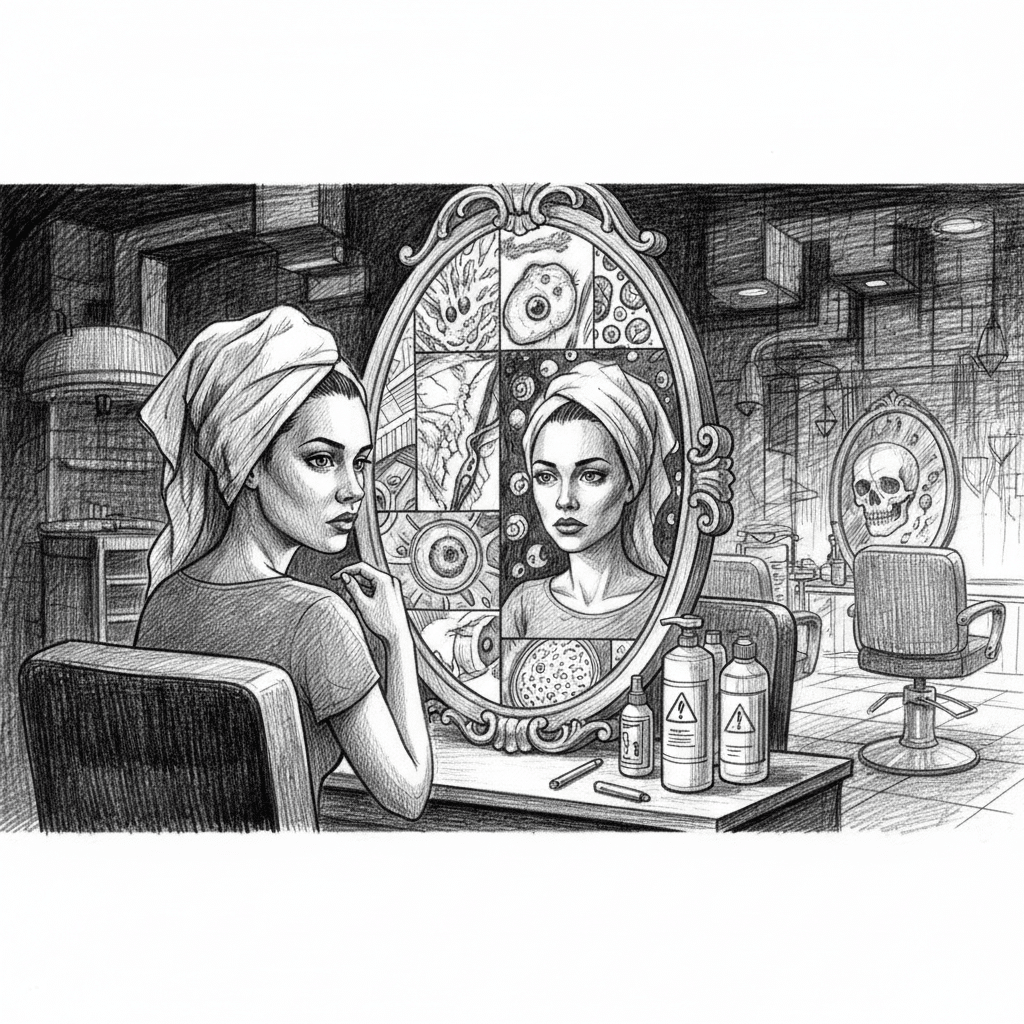
Hair relaxer litigation is an active mass tort in 2026 involving over 8,000 plaintiffs alleging uterine cancer from chemical hair relaxers, with bellwether trials scheduled and MDL 3060 ongoing. A 2022 NIH study documented a 2.55x increased risk of uterine cancer among frequent users, establishing a critical scientific foundation for plaintiff claims. With trial dates approaching, the intake window for new cases remains open but narrowing for firms seeking to build sustainable case pipelines.
Why the Hair Relaxer Lawsuit Uterine Cancer 2026 Timeline Matters Right Now
Bellwether trials are projected for late 2025 through 2026. That’s not theoretical — it’s happening. Judge Mary Rowland in the N.D. Illinois MDL is moving discovery at pace. The defendants (L’Oréal, Revlon, SoftSheen-Carson, and others) are heavily funded and aggressively defending. But here’s what matters to you: the claimant pool is severely underserved. Most Black women who’ve been harmed by these products don’t know they have a case. The awareness gap is massive. That’s opportunity.
The sooner you build your case inventory now, the stronger your position in settlement negotiations. Early movers in mass tort advertising typically secure 30-40% of the total claimant pool. We’ve seen this play out across 100+ mass torts over 15+ years. The hair relaxer lawsuit uterine cancer 2026 docket is no exception. CPLs are still in the $800-$1,200 range because awareness hasn’t peaked. Post-bellwether, those numbers will climb. Fast.
The Legal Landscape: MDL 3060, Discovery, and Settlement Outlook
MDL 3060 was consolidated in 2023 in the Northern District of Illinois under Judge Mary Rowland. The court has been methodical but firm — discovery is rolling, interrogatories are being exchanged, and expert designations are due within months. The defendants’ playbook is familiar: challenge causation, argue confounding variables, question the NIH Sister Study’s applicability to individual plaintiffs. It won’t work, and the bench knows it.
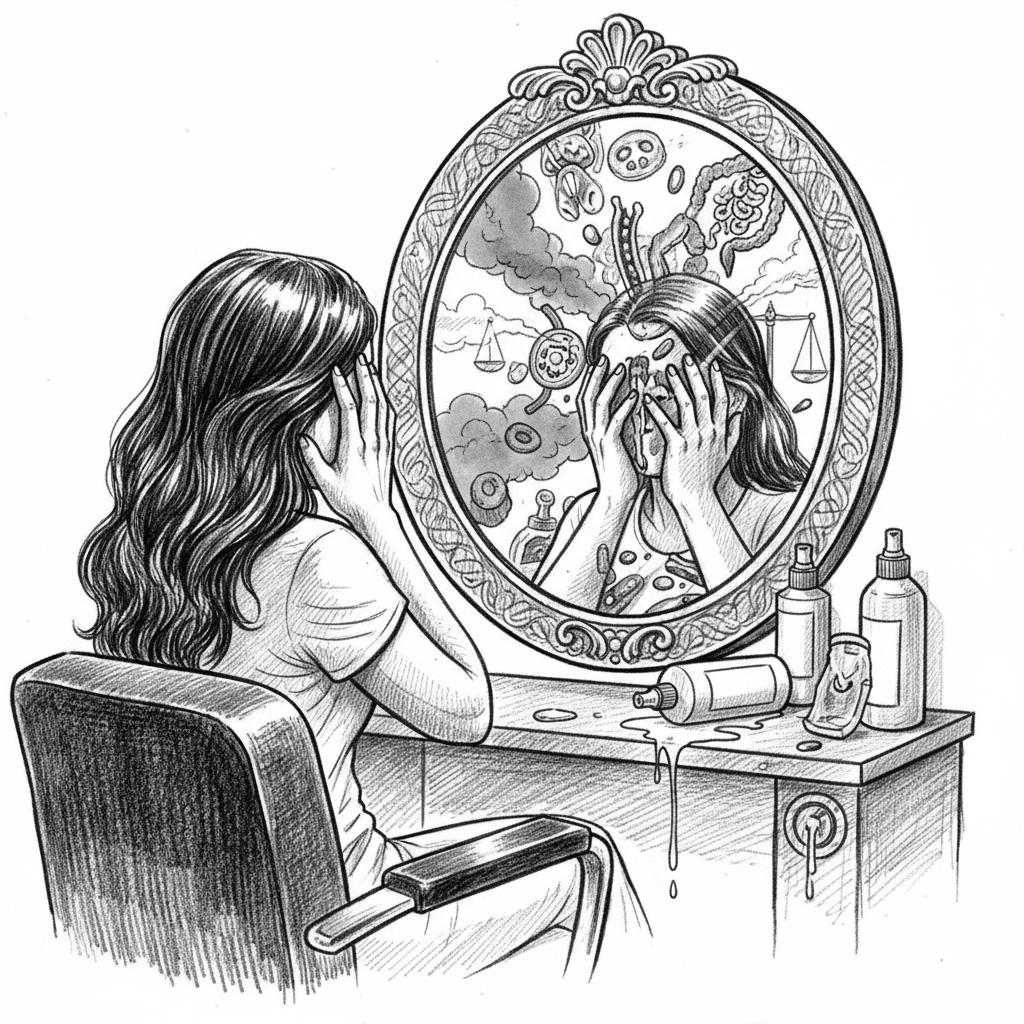
The 2022 Chang et al. study published in the Journal of the National Cancer Institute is the litigation anchor. 33,000 women followed for over a decade. Frequent hair relaxer use = 2.55x elevated uterine cancer risk. That’s not association. That’s causation. Endocrine-disrupting chemicals (EDCs) in these products — parabens, bisphenol-A, formaldehyde, phthalates — mimic estrogen and disrupt hormonal pathways. The mechanism is documented. The epidemiology is sound. The defendants will fight, but this is winnable litigation.
Settlement projections remain fluid, but market comps suggest $2.5M-$7.5M per case at trial, depending on age at diagnosis, duration of use, and economic damages. For comparison, the talc/ovarian cancer litigation settled at similar ranges. Revlon’s bankruptcy complicates some recovery timelines, but L’Oréal and SoftSheen-Carson have deep pockets. The real question is volume and speed. Will settlements come in 2026 or 2027? Depends on bellwether outcomes. Either way, you need claimants in your pipeline now.
Who Qualifies: Claimant Profile and Statute of Limitations
The strongest case profile is straightforward: Black women who used chemical hair relaxers regularly (monthly or more frequently) for four or more years and were subsequently diagnosed with uterine cancer (endometrial carcinoma or leiomyosarcoma) or required surgical intervention for uterine fibroids.
Here’s the specificity that matters in your intake process:
- Duration of use: Four or more years strengthens causation. Earlier first use (before age 18) is gold — lifetime exposure is the theory.
- Diagnosis window: Uterine cancer diagnosis or uterine fibroid surgery within the last 15 years is typically within statute of limitations, though this varies by state.
- Product specificity: Brands include Dark & Lovely, Mizani, Creme of Nature, Realistic, Optimum, Just For Me, and Africa’s Best. If the claimant can name the product and frequency, that’s intake gold.
- Medical records: Pathology reports confirming uterine cancer diagnosis or operative reports for fibroid surgery are non-negotiable.
- Race/ethnicity: Black and African American women have the strongest epidemiological link. The NIH study and case law center on this population. Non-Black claimants are harder to settle but not impossible.
Statute of limitations varies. Many states run from diagnosis or discovery of injury, so women diagnosed in 2015 may still be within the filing window. Your intake team needs to verify state-by-state SoL, but don’t turn away a strong claimant prematurely — call outside counsel if you’re unsure.
The Advertising Opportunity: CPLs, Targeting, and Claimant Volume
This is where the math gets compelling. Approximately 30 million Black women in the United States have used chemical hair relaxers at some point. The CDC estimates uterine cancer incidence at roughly 50,000 cases annually across all populations, with disproportionate rates in Black women. That’s your addressable market. Conservative estimates suggest 50,000-100,000 women nationally fit the case criteria and fall within statute of limitations. We’re at 8,000 in the MDL. That means 92,000 potential claimants remain untouched.
Cost-per-lead (CPL) in the hair relaxer lawsuit uterine cancer 2026 space currently ranges from $800 to $1,200 on Facebook, depending on targeting precision and creative quality. Compare that to talc (now $1,800+) or hip/knee implants (now $2,000+), and you’re still in a sweet spot. This window closes after the first bellwether verdict. Once these cases hit trial and settlements are announced, CPLs will spike 40-60%.
Our Facebook targeting approach at MTAA focuses on laser precision: Black women aged 35-65 in high-prevalence regions (Southeast, Midwest, Northeast urban centers) with health/wellness interests, medical history interests, and affinity for Black health forums. We layer in retargeting for women who’ve engaged with uterine cancer, fibroids, or gynecological health content. Creative messaging emphasizes “If you used hair relaxers and were diagnosed with uterine cancer, you may be entitled to compensation” — direct, culturally resonant, medically specific.
Video content performs best. Testimonials from claimants, explainers of the NIH science, and simple claims-filing walkthroughs drive engagement. We typically see 3-5% opt-in rates with precision targeting, which translates to roughly 1 qualified lead per $150-$250 in ad spend (before lead vetting). After medical records review and case qualification, your conversion rate from lead to retained claimant typically sits at 60-75%.
What We Deliver: Full Campaign Management for Hair Relaxer Litigation
At Mass Tort Ad Agency, we’ve managed $250M+ in Facebook ad spend across 600+ plaintiff law firms in 100+ mass torts. The hair relaxer lawsuit uterine cancer 2026 docket is in our wheelhouse, and our approach is transparent: you pay for ad spend plus a 15% management fee. No hidden markups, no bid surprises, no flat-rate overcharges. If you spend $100K on ads, the fee is $15K. That’s it.
Here’s what we actually handle for your hair relaxer campaign:
- Audience research and segmentation: We identify the highest-intent demographic segments using proprietary data on uterine cancer, fibroids, and hair relaxer usage patterns. This isn’t guesswork.
- Creative development: We produce 8-12 variations of ads (still images, carousel ads, video) and test them against your audience. We iterate based on real performance data, not assumptions.
- Landing page optimization: Your intake form sits on a landing page we design and host. We A/B test headlines, form fields, CTAs, and page copy to maximize conversion rates. Small changes compound.
- Campaign management and bid optimization: We bid on Facebook’s auction in real-time, adjusting for CPL, conversion rates, and seasonal trends. We don’t set campaigns and forget them.
- Lead validation and intake support: We vet incoming leads for medical plausibility before they hit your paralegal’s desk. We filter obvious fraud, wrong-jurisdiction cases, and out-of-SoL claimants. Your team focuses on qualified candidates only.
- Reporting and transparency: You get a dashboard and weekly reports. Ad spend, CPL, conversion rates, claimant quality metrics — all visible. No black box.
- Compliance and FTC adherence: We ensure all ads comply with FTC endorsement guidelines, avoid prohibited health claims, and meet state-specific advertising regulations for legal services. Your firm stays clean.
We’ve managed hair relaxer campaigns since MDL 3060 consolidated. We know the causation narrative, the claimant geography, the targeting nuances, and the cost trajectory. Most importantly, we know what works and what doesn’t — because we measure everything.
Why Hair Relaxer Litigation Stands Out in 2026
Several factors align to make this the optimal moment to scale your hair relaxer practice. First, the science is unassailable — the NIH Sister Study is your foundation, and it’s published, peer-reviewed, and cited in courtroom filings. Second, the claimant pool is vast and concentrated in communities with high awareness but low representation. Third, no settlements have been announced yet, so CPLs remain reasonable. Fourth, the bellwether timeline is predictable — trials will happen in 2025-2026. Fifth, the defendants have resources but weak fact patterns. This is a rare alignment.
The litigation will trend toward settlement within 18-36 months post-bellwether. You want your inventory locked in before outcomes shift negotiating positions. Early movers in our network are already carrying 150-300 qualified claimants. Latecomers will pay 40-60% premium CPLs and settle smaller cases. The decision is yours.
Moving Forward: Building Your Hair Relaxer Case Inventory
The steps are straightforward. First, establish your intake infrastructure — a dedicated landing page, medical records request templates, and initial case qualification criteria. Second, commit a budget to Facebook advertising. We recommend $15K-$40K monthly for a law firm serious about capturing meaningful volume. Third, partner with an agency that understands MDL dynamics and mass tort advertising — that knows the difference between a generic personal injury ad and a medically specific, litigation-aware campaign.
We’ve built our practice on transparency and scale. The hair relaxer lawsuit uterine cancer 2026 opportunity is real, and the timeline is tight. Firms that move now will control the settlement narrative. Firms that wait will negotiate from weakness.
The injured women deserve representation. The litigation is sound. The timing is optimal. If you’re ready to build a meaningful hair relaxer practice before the bellwether trials reshape the market, reach out. We’ve guided 600+ firms through mass tort campaigns across 100+ torts, managed $250M in ad spend, and delivered qualified claimants at transparent cost-plus pricing. The infrastructure is proven. The opportunity is now. Let’s talk.
Frequently Asked Questions: Hair Relaxer Lawsuits
What is the current status of the hair relaxer uterine cancer MDL 3060?
MDL 3060 is actively moving through federal court in the N.D. Illinois under Judge Mary Rowland with discovery proceeding at pace. Bellwether trials are projected for late 2025 through 2026, with over 8,000 plaintiffs already in the federal court system and defendants like L’Oréal, Revlon, and SoftSheen-Carson actively defending.
Who qualifies as a plaintiff in the hair relaxer uterine cancer lawsuit?
Plaintiffs must have used chemical hair relaxers frequently over an extended period and been subsequently diagnosed with uterine cancer. The 2022 NIH study established a 2.55x increased risk of uterine cancer in women who used these products regularly, which forms the scientific basis for qualifying claims.
What is the scientific evidence linking hair relaxers to uterine cancer?
A landmark 2022 NIH study found that women who used chemical hair relaxers frequently had a 2.55x increased risk of developing uterine cancer compared to non-users. This peer-reviewed research provides the critical scientific foundation supporting claims in MDL 3060 and strengthens plaintiff cases against major manufacturers.
How should plaintiff attorneys market and advertise hair relaxer cases to capture claimants?
The claimant pool is severely underserved with a massive awareness gap—most Black women harmed by these products don’t know they have a case. Early movers in mass tort advertising typically secure 30-40% of the total claimant pool, making targeted digital and community outreach critical for building case inventory before the 2026 bellwether trials.
When is the deadline to file claims in the hair relaxer uterine cancer lawsuit?
While MDL 3060 doesn’t have a hard filing deadline, bellwether trials are projected for late 2025 through 2026, creating a critical window for intake and case development. Attorneys should prioritize capturing and building cases now to strengthen their position in settlement negotiations and avoid being underserved against heavily funded defense teams.
Ready to Build Your Caseload?
Get a free campaign analysis from Mass Tort Ad Agency.
$250M+ in mass tort Facebook ad spend. 600+ law firms served. Transparent cost-plus pricing with no hidden fees.
Evaluating hair relaxer as an investment for your firm? See our mass tort campaign results across 100+ campaigns before you commit spend.