Roundup Glyphosate Lawsuit 2026: The Settlement Window Is Closing Fast
If you’re screening Roundup cases, time matters. Bayer’s proposed $7.3 billion class settlement is pending court approval—and if it’s approved, the litigation window closes permanently. We’re looking at a narrowing funnel: 165,000+ plaintiffs across MDL 2741, 20+ years of case development, and a settlement mechanism that could eliminate new case acquisition overnight.
Here’s what you need to know to capitalize on the remaining claimant pool before the door shuts.
The Litigation Landscape: Where We Are Right Now
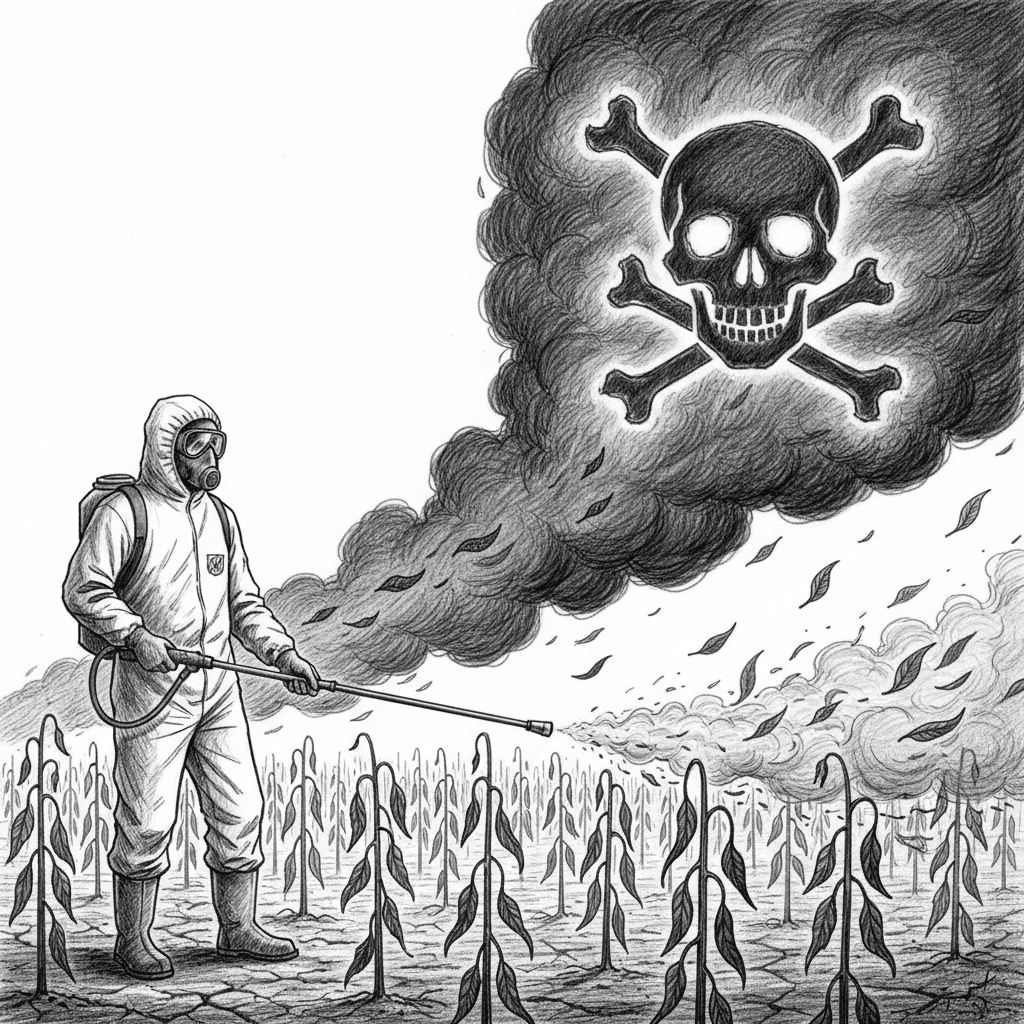
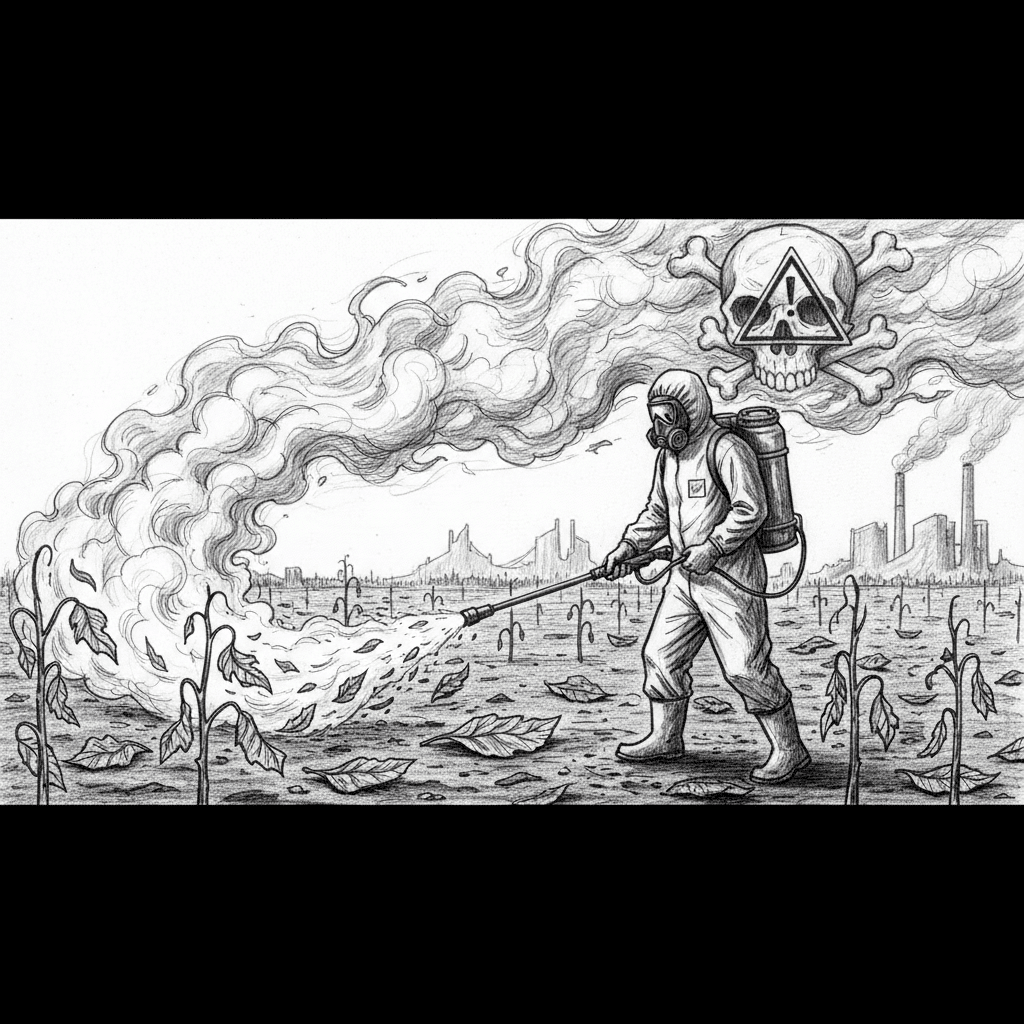
Roundup glyphosate is the world’s most widely used herbicide. Bayer/Monsanto owns it. Monsanto also owns the liability—165,000+ claims alleging glyphosate exposure causes non-Hodgkin’s lymphoma (NHL).
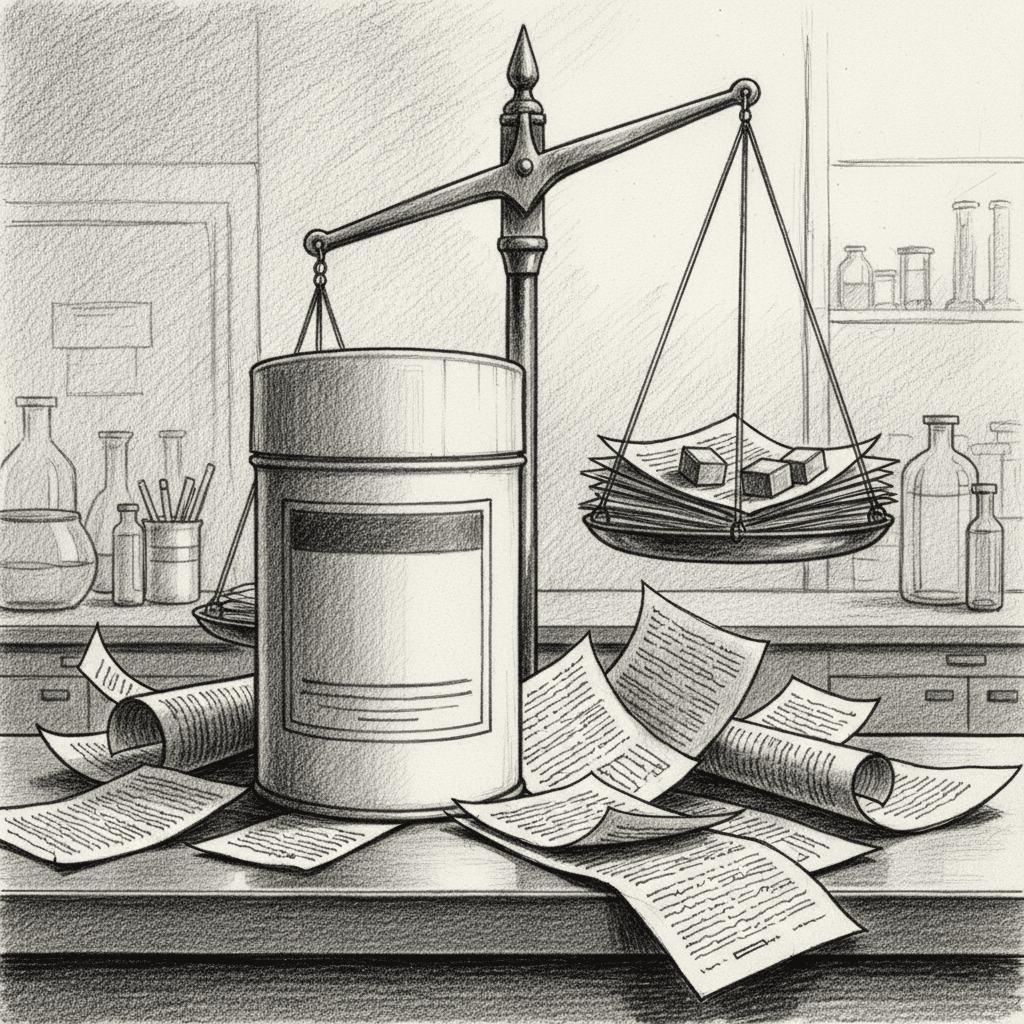
The causation anchor: In 2015, the International Agency for Research on Cancer (IARC) classified glyphosate as “probably carcinogenic to humans” (Group 2A). That classification opened the floodgates.
Key Litigation Markers
Dewayne Johnson v. Monsanto (2018): First bellwether. California jury awarded $289 million for causation of NHL from Roundup exposure. Reduced to $78 million on appeal, but the verdict stuck. Causation was proven.
Hardeman v. Monsanto (2019): Federal bellwether. $80 million verdict. Upheld by 9th Circuit in 2021. This is the federal template—and it worked.
SCOTUS cert denied (2022): Bayer tried preemption. Supreme Court said no. Federal preemption is off the table. That matters for defense strategy—and for plaintiff leverage.
$10.9 billion Bayer Settlement Program (2020): Already resolved ~100,000 claims. Additional $4.5 billion reserved. This is background noise now—those cases are closed.
$7.3 Billion Proposed Class Settlement (2024–2025): This is the critical moment. Bayer proposed a class settlement to resolve all remaining and future Roundup claims. Court approval is pending. If approved, litigation stops. No new cases. No new settlements. Door closes.
Judge Vince Chhabria (N.D. California) is managing MDL 2741. He’s moved cases through efficiently. State court trials continue while the class approval works through the federal system. But the writing is on the wall: Bayer wants finality. The court is moving toward it. And the claimant pool is getting smaller every quarter.
Who Qualifies: The Claimant Profile
Non-Hodgkin’s lymphoma is the qualifying injury. That’s nonnegotiable.
But not every NHL claimant qualifies. Causation requires documented glyphosate exposure.
Strongest Claimants
- Agricultural workers: Farmers, farm laborers, orchard managers. Heavy, repeated, direct exposure over years. Occupational exposure is the gold standard for causation.
- Professional landscapers: Groundskeepers, golf course workers, pesticide applicators. Regular spray application. Clear exposure pathway.
- Residential users with heavy exposure: Homeowners who sprayed Roundup regularly (weekly, monthly, seasonal) over 5+ years. Weaker than occupational, but viable if documented.
- Agricultural equipment operators: Tractor drivers applying herbicide; grain elevator workers exposed to herbicide residue. Indirect but measurable exposure.
The key is frequency and duration. Casual spraying once or twice doesn’t work. The epidemiological studies show elevated NHL risk in workers with sustained, regular glyphosate exposure. Your intake form needs to quantify: How often? For how long? In what capacity?
Statute of limitations: Varies by state. California is 3–4 years from diagnosis or discovery. Some states are longer. But diagnoses are typically 10–40 years post-exposure. Most claimants are already past the acute injury phase and into the chronic disease window. Screen for diagnosis date, not exposure date, for SOL compliance.
The Advertising Opportunity: Pool Size and CPL Reality
Here’s the math on claimant acquisition.
Addressable pool: ~25–40 million Americans have used Roundup at least once. Agricultural workers and frequent users: ~3–5 million. Diagnosed NHL patients annually in the US: ~70,000. Overlap (NHL patients with documented Roundup exposure): estimated 10,000–20,000 currently unrepresented.
That’s the real target. Not everyone with NHL. Not everyone who used Roundup. The intersection: people with both.
Cost-per-lead (CPL) reality: Roundup leads are expensive. We’ve managed this tort across 600+ law firms, $250M+ in ad spend. Glyphosate CPLs run $80–$200 depending on targeting precision and state. California and Iowa are highest-value markets (agricultural concentration + higher jury damages perception). CPL climbs during peak agricultural seasons.
Why the cost? Targeting specificity. You need:
- NHL diagnosis confirmation (medical records screening)
- Occupational or heavy residential exposure documentation
- Timeline alignment (exposure 10–40 years before diagnosis)
Generic “Roundup” ads pull clicks cheap but waste spend on unqualified traffic. Specific targeting—occupational glyphosate exposure + NHL diagnosis keywords—delivers qualified leads. The CPL is higher, but the conversion-to-client rate is 40–60% higher than broad campaigns.
Facebook and Search Targeting for 2026
Occupational targeting: Farmers, landscapers, groundskeepers, agricultural workers. Age 50+. Geographic: Iowa, California, Nebraska, Kansas, Illinois (agricultural hubs). Audience: people interested in farming, pesticide exposure, occupational health.
Keyword strategy: “Roundup lawsuit glyphosate non-Hodgkin lymphoma,” “NHL diagnosis Roundup exposure,” “farmer cancer lawsuit,” “glyphosate settlement claim.” Branded terms (Bayer, Monsanto) are competitive; focus on disease + exposure + legal outcome keywords.
Medical record retargeting: If you’re screening existing client base, retarget lookalike audiences of qualified NHL patients. These convert at 2–3x the rate of cold campaigns.
One critical note: The proposed class settlement will throttle all of this. If approved, organic search volume for “Roundup lawsuit” collapses. Claims are funneled into the settlement mechanism. Advertising dollars evaporate. The tortsignal we’re monitoring says approval is likely in 2025–2026. Run acquisition campaigns now if you’re screening.
What We Deliver: Managing Roundup Campaigns at Scale
We’ve managed Roundup campaigns for 600+ plaintiff law firms across 100+ mass torts. On Roundup specifically, we’ve deployed transparent cost-plus pricing: you pay actual Facebook ad spend plus 15% management fee. No markup surprises. No hidden margins on media.
For Roundup glyphosate in 2026, here’s what matters:
Speed to qualification: You need medical record verification (NHL diagnosis) and exposure documentation fast. We build intake workflows that filter unqualified leads in the first 48 hours. Why? CPL is high. You can’t afford to nurture weak leads.
State-specific compliance: SOL varies. Venue varies. Damages caps vary. We segment campaigns by jurisdiction and flag cases that don’t meet local filing requirements before you send them to intake.
Settlement mechanism alignment: If the $7.3B class settlement is approved, we pivot immediately to (1) notifying existing clients, (2) stopping paid acquisition (spend becomes waste), and (3) transitioning to claims administration support. We’ve seen this happen in three prior tort closeouts—we know the sequence.
Real-time performance tracking: CPL, cost-per-qualified-lead (CPQL), lead-to-client conversion rate, settlement value per case acquired. We report weekly. No black box. You know exactly what you’re spending and what you’re getting.
The Roundup window is closing. If you have active screening capacity and capital to deploy on paid acquisition, 2026 is the last meaningful year for cold campaigns. After settlement approval, your only play is settlement claims administration—which is a different skill set and lower revenue per case.
Move Now: The Math on Timing
165,000+ plaintiffs in MDL 2741. The $7.3B settlement proposal is pending. Court approval is expected mid-to-late 2025. If approved, the campaign ends.
If you’re screening Roundup glyphosate cases, every month of delay costs you claimant acquisition. Build your intake, lock your targeting, and deploy budget while the legal landscape is still open for plaintiff acquisition.
Contact Mass Tort Ad Agency. We’ll review your case inventory, build a state-specific screening protocol, and launch a transparent, performance-tracked campaign. Our 15+ years managing $250M+ in mass tort ad spend across 600+ law firms means we’ve navigated tort closures before. We know how to maximize the remaining window.
The settlement clock is ticking. Let’s move.
Ready to Build Your Caseload?
Get a free campaign analysis from Mass Tort Ad Agency.
$250M+ in mass tort Facebook ad spend. 600+ law firms served. Transparent cost-plus pricing with no hidden fees.