The Zantac Lawsuit Ranitidine Cancer 2026 Landscape: What Plaintiff Attorneys Need to Know Right Now
Zantac ranitidine is an active mass tort in 2026 involving allegations that the heartburn medication caused cancer, with federal MDL litigation effectively stalled following a December 2022 expert exclusion and an ongoing 11th Circuit appeal. State court litigation continues in pockets, with Illinois showing consistent defense verdicts and major manufacturers settling while Boehringer Ingelheim, the primary defendant, maintains its litigation position. The scientific causation question remains contested as the case landscape shifts toward state venues.
For plaintiff attorneys considering whether to build a Zantac lawsuit ranitidine cancer 2026 campaign, the numbers are sobering but not zero. We’ve managed $250M+ in Facebook ad spend across 600+ law firms and 100+ mass torts, and we understand which markets still move. This is not a case where you blast national campaigns and expect volume. This is surgical targeting, disciplined spend management, and ruthless ROI focus.
The Federal MDL Collapse and What It Means for Your Advertising Strategy
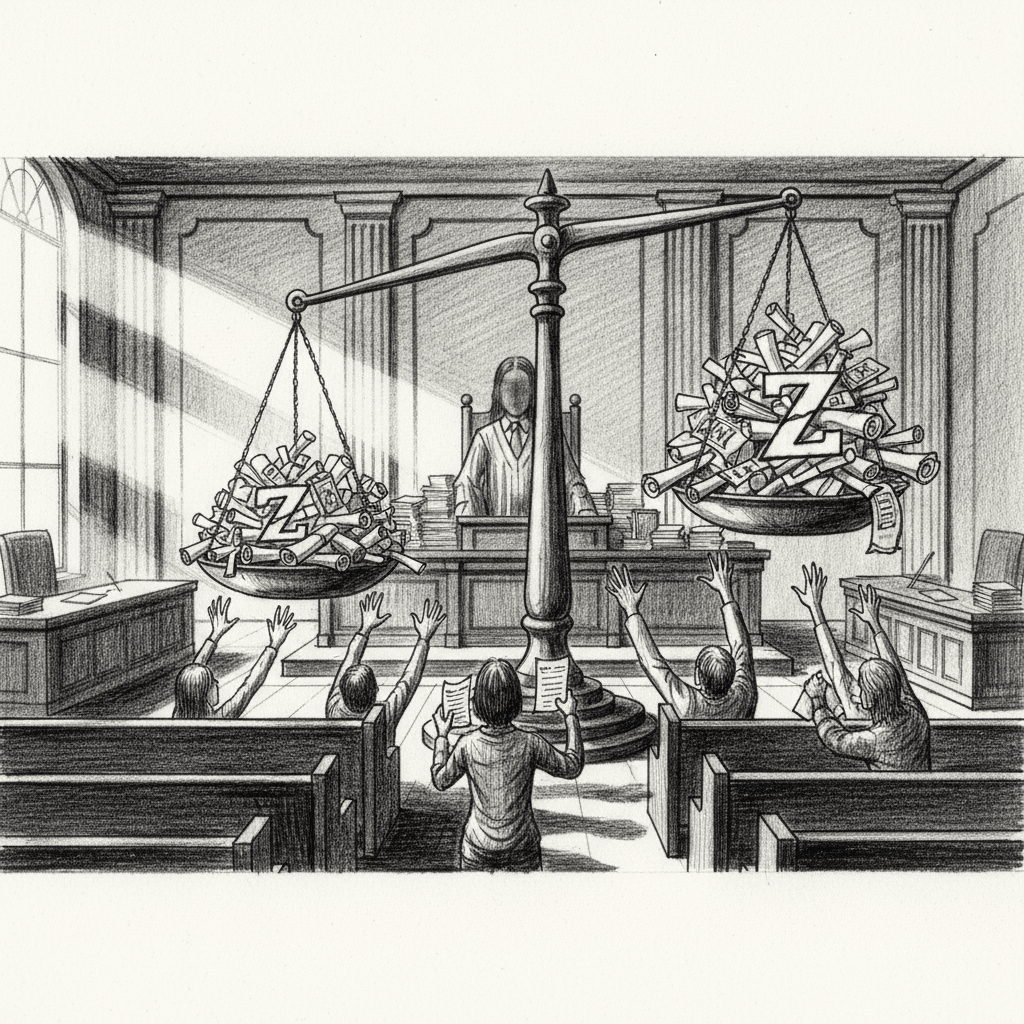
Let me be direct: the federal Zantac litigation is functionally over. In December 2022, Judge Robin Rosenberg issued a 341-page Daubert opinion that excluded every single general causation expert offered by plaintiffs. All ten. This was not a close call on one or two witnesses — this was systematic rejection of the entire scientific foundation of the case. The order concluded that plaintiffs could not prove, under Daubert’s reliability standards, that ranitidine (the active ingredient in Zantac) caused cancer in humans.
That ruling collapsed the federal MDL docket from 80,000+ cases to near-zero viability. Most of those cases have been dismissed or are awaiting disposition. The 11th Circuit heard the appeal in October 2025, and a ruling is pending — but industry consensus is that reversal is unlikely. Judge Rosenberg’s analysis was methodical and difficult to overturn on appeal.
This matters to you because it establishes a benchmark: jury-skeptical causation science is the baseline expectation for ranitidine litigation going forward. That’s a headwind for new claimant acquisition. Plaintiffs shopping for counsel will know the federal pathway is closed and will be conservative about state court bets.
State Court Litigation and the Zantac Lawsuit Ranitidine Cancer 2026 Reality Check
The Zantac lawsuit ranitidine cancer 2026 litigation has bifurcated into state court territory, and the results have been underwhelming for plaintiffs. Illinois, which has hosted the most comprehensive state court trial record, has seen eight consecutive defense verdicts or mistrials. That’s a brutal scoreline. Defense bar is well-organized, expert challenges remain potent even outside the federal MDL, and juries are not sympathetic to ranitidine causation theories.
Delaware initially looked more promising — a Delaware Superior Court judge allowed plaintiff experts to survive Daubert in May 2024. But in July 2025, the Delaware Supreme Court reversed that decision, aligning Delaware’s standard more closely with federal Daubert. That appeal win for defendants has now rippled across state jurisdictions, signaling that even state courts are tightening expert scrutiny.
Florida, where the MDL was housed, has seen minimal new trial activity post-Rosenberg. New York and California have small dockets but active settlement discussions in some cases. Texas has a modest number of pending claims. The bottom line: there is no state court corridor that has produced strong plaintiff verdicts or predictable settlement outcomes. This is not a case where you can safely project $50,000–100,000 contingent litigation value per claimant.
Settlements and Remaining Defendant Exposure
GSK (GlaxoSmithKline) resolved approximately 80,000 federal and state cases for up to $2.2 billion. Sanofi settled for $200–250 million. Pfizer resolved its exposure. Boehringer Ingelheim, the primary manufacturer and the defendant with the strongest manufacturing/distribution footprint, has not reached a global settlement and continues to litigate.
This is critical context: defendant appetite for settlement is waning. When three of four major manufacturers have paid and moved on, and the remaining defendant is fighting hard in state courts and the 11th Circuit, the settlement culture shifts. Defense counsel becomes entrenched. Litigation becomes more expensive and longer-tailed for plaintiffs. Claimants who missed GSK’s settlement window may find themselves in prolonged state court litigation with Boehringer, with no guarantee of recovery.
For advertising purposes, this means you are competing for a shrinking pool of unresolved claimants, many of whom may not qualify under GSK’s settlement criteria or may have already resolved with GSK at modest valuations. New claimant acquisition is harder and more expensive because the settlement floor is lower.
Who Qualifies for a Zantac Claim: Claimant Profile and Statute of Limitations
Zantac litigation has always focused on cancer claims. The strongest causation link is bladder cancer. Colorectal, stomach, kidney, and esophageal cancers have been included but with weaker scientific support. Prostate cancer claims have been largely abandoned by plaintiffs’ bar because causation evidence is even weaker.
To qualify, a claimant must typically demonstrate:
- Ranitidine use: Purchase, possession, and regular use of Zantac or a generic ranitidine product for at least several months (typically 1–2+ years for stronger claims).
- Cancer diagnosis: Pathologically confirmed diagnosis of a covered cancer type post-2000 (most claims focus on diagnoses 2010+).
- Causation timeline: Cancer diagnosis occurring after sufficient latency period following ranitidine exposure (typically 5+ years, though flexible).
- Statute of limitations: State-dependent, but generally 2–4 years from diagnosis or discovery. This is critical: many claimants are now outside the window. New diagnoses in 2025–2026 are still within range for most states.
For advertising targeting, this means you’re looking for people aged 50–80+ who have been diagnosed with bladder, colorectal, stomach, kidney, or esophageal cancer in the past 2–3 years and who used Zantac during relevant exposure periods (roughly 1990–2019, when the product was widely available).
Advertising Opportunity and CPL Reality
The Zantac claimant pool is now fragmented. We estimate total remaining claimant potential in state courts and unresolved federal inventory at 15,000–25,000 nationally. That’s a small pool compared to most mass torts. The fact that three of four major defendants have settled and moved on means advertising dollars are not being pulled into heavy bidding wars.
Cost-per-lead (CPL) for Zantac claims via Facebook and Google is currently running $80–200 per qualified lead, depending on geography and targeting specificity. That’s actually lower than many active mass torts because competition for ad inventory is lighter. However, conversion rates from lead to signed representation are lower than historical norms — roughly 8–12% for Zantac versus 12–20% for something like Talc or an active defective drug case.
Why the conversion drag? Claimants know the litigation is deteriorating. They see defense verdicts in Illinois. They know the federal MDL collapsed. Many are skeptical about settlement value. Your sales team will face objections about science, jury risk, and timeline. You need to be transparent about this.
For a $100 CPL with 10% conversion, you’re looking at $1,000 cost-per-signed client. If average case value settles at $15,000–30,000 (a realistic range given the Daubert environment), your net per case is $14,000–29,000 after ad costs. That’s profitable but thin. You need volume and strong case evaluation to make the math work.
Facebook Targeting Strategy for the Zantac Lawsuit Ranitidine Cancer 2026 Campaign
If you’re going to advertise Zantac claims, precision targeting is non-negotiable. Here’s how we approach it at Mass Tort Ad Agency:
- Age targeting: 55–85 (primary audience), with secondary 45–55 segment. Most Zantac users were in middle age during exposure window (1990s–2010s).
- Interest stacking: Cancer support groups, health conditions (GERD, acid reflux diagnosis history if available), pharmacy/medication groups, gastroenterology-related pages, medical conditions.
- Lookalike audiences: Build from existing Zantac claimant base if you have one. Expand from GSK settlement administrator data if accessible. Look for commonalities: geography, health conditions, purchase history signals.
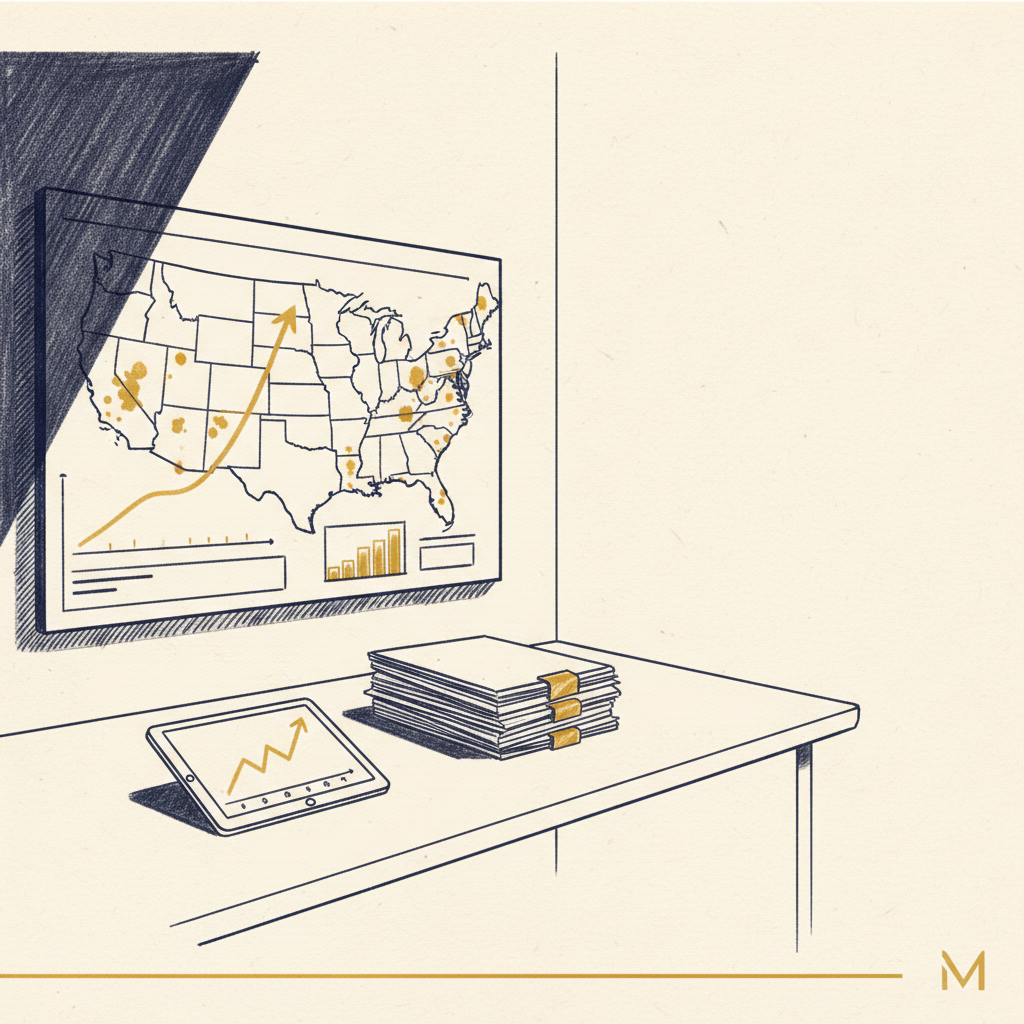
- Geographic focus: Illinois, Florida, Delaware, California, New York, Texas — states with active litigation or meaningful settlement activity. Avoid national blasting.
- Messaging: Lead with case status transparency. “If you took Zantac and were diagnosed with bladder cancer after 2015, you may have a claim. Recent settlements have ended federal litigation. State courts are still active.” This honesty disqualifies time-wasters and attracts serious claimants.
- Creative: Use testimonial-style video from actual settled claimants (if available). Show settlement amounts. Keep it factual. Avoid hype.
At MTAA, we manage all of this with transparent cost-plus pricing: you pay actual ad spend plus a 15% management fee. No markup on media. We’ve handled $250M+ in Facebook spend across 600+ law firms, so we understand how to stretch budgets and hit CPL targets in fragmented landscapes like Zantac.
What You Should Actually Expect: The Realistic Timeline and Settlement Outlook
If you sign claimants today for a Zantac lawsuit ranitidine cancer 2026 case, here’s the likely path:
- 2026: Case intake, medical record gathering, expert review. Boehringer will aggressively defend. Early settlement discussions will be limited.
- 2027–2028: Motion practice, potential Daubert challenges (ranitidine-specific experts will face heavy scrutiny). Settlement negotiations may begin but with lowball offers.
- 2029+: Trial or late-stage mediation. Most cases will settle in the $10,000–50,000 range depending on cancer type and exposure strength.
This is a 3–5 year horizon, not 18 months. Claimants need to know this upfront. If they’re looking for quick money, they’ll walk. That’s fine — you want committed clients.
Why Mass Tort Ad Agency is Built for This Environment
Zantac is exactly the type of case where disciplined, expert-driven advertising matters. The science is contested. The jury record is poor. The settlement landscape is fragmenting. You can’t run a successful campaign on hype or generic “have you been injured” messaging.
We’ve navigated 100+ mass torts across 600+ law firms. We know how to target efficiently when claimant pools are shrinking. We know how to message honestly when litigation is deteriorating. We know how to stretch $50,000–500,000 ad budgets and hit meaningful CPL targets even in challenging cases.
Our transparent cost-plus model means you’re not paying inflated markups on media spend. You’re paying actual Facebook/Google rates plus our 15% management fee. For Zantac campaigns specifically, we can typically target CPLs of $80–150 if you’re disciplined about geography and audience selection.
Closing: The Zantac Lawsuit Ranitidine Cancer 2026 Decision Point
The Zantac lawsuit ranitidine cancer 2026 case is not a gold rush. The federal MDL is dead. State courts are difficult. Settlements have plateaued. But there is still a viable plaintiff bar opportunity if you’re strategic, transparent, and focused on sustainable CPL and conversion metrics.
If you’re considering a Zantac campaign, start with a consultation. We’ll help you model CPLs, evaluate claimant pool size in your target geographies, and build a realistic ROI forecast. We’ve been doing this for 15+ years across hundreds of cases. We’ll tell you the truth about whether Zantac makes sense for your firm.
Reach out to MTAA. We’ll talk through your Zantac lawsuit ranitidine cancer 2026 strategy, map your advertising budget, and build a campaign that actually works in this market.
Frequently Asked Questions: Zantac Ranitidine Lawsuits
Is the federal Zantac MDL still active in 2026?
The federal MDL is effectively closed following Judge Rosenberg’s December 2022 Daubert ruling that excluded all ten plaintiff causation experts, making federal litigation functionally dead. The 11th Circuit appeal remains pending after October 2025 oral arguments, but meaningful federal recovery is unlikely. Remaining litigation value exists primarily in state courts like Illinois, Delaware, and other jurisdictions operating under different evidentiary standards.
What qualifies someone as a potential Zantac ranitidine plaintiff in 2026?
Typical Zantac claimants have a documented history of regular ranitidine use (prescription or OTC) combined with a subsequent cancer diagnosis, with causation linking the alleged NDMA contamination to their specific cancer type. Medical records proving both the duration and timing of ranitidine exposure relative to cancer diagnosis are critical, as are records showing no strong alternative causation factors. Each state and remaining defendants now evaluate these criteria differently post-settlement, making case-by-case medical and legal review essential.
Should I still run national advertising campaigns for Zantac cases?
National Zantac advertising has poor ROI given federal MDL collapse and eight consecutive defense verdicts in Illinois—this is not a volume play anymore. Surgical, state-specific targeting in jurisdictions with weaker Daubert standards, remaining defendants still defending (Boehringer Ingelheim), or favorable venue rules generates better returns than broad national spend. Focus your ad budgets on high-intent, high-qualification claimant identification in select state court markets rather than mass awareness campaigns.
Which defendants are still defending Zantac cases and which have settled?
GSK, Sanofi, and Pfizer have already exited through settlements, leaving Boehringer Ingelheim as the primary manufacturer still actively defending Zantac litigation. Boehringer Ingelheim’s continued defense in state courts, combined with varying state Daubert standards, is why residual litigation opportunity exists outside the federal system. Any settlement strategy must account for which defendant(s) remain on the case in your target jurisdiction.
What’s the realistic value of Zantac cases still worth pursuing in state court?
State court cases vary dramatically by jurisdiction, but Illinois has produced eight consecutive defense verdicts, indicating plaintiff success is not assured even outside federal court. Delaware’s recent Supreme Court alignment with federal Daubert standards further narrows the plaintiff-favorable venue landscape, making case evaluation highly jurisdiction-specific. While some state courts may apply different expert standards or procedural rules more favorable to plaintiffs, settlement and trial value now depends almost entirely on venue, specific causation evidence, and remaining defendant exposure.
Ready to Build Your Caseload?
Get a free campaign analysis from Mass Tort Ad Agency.
$250M+ in mass tort Facebook ad spend. 600+ law firms served. Transparent cost-plus pricing with no hidden fees.